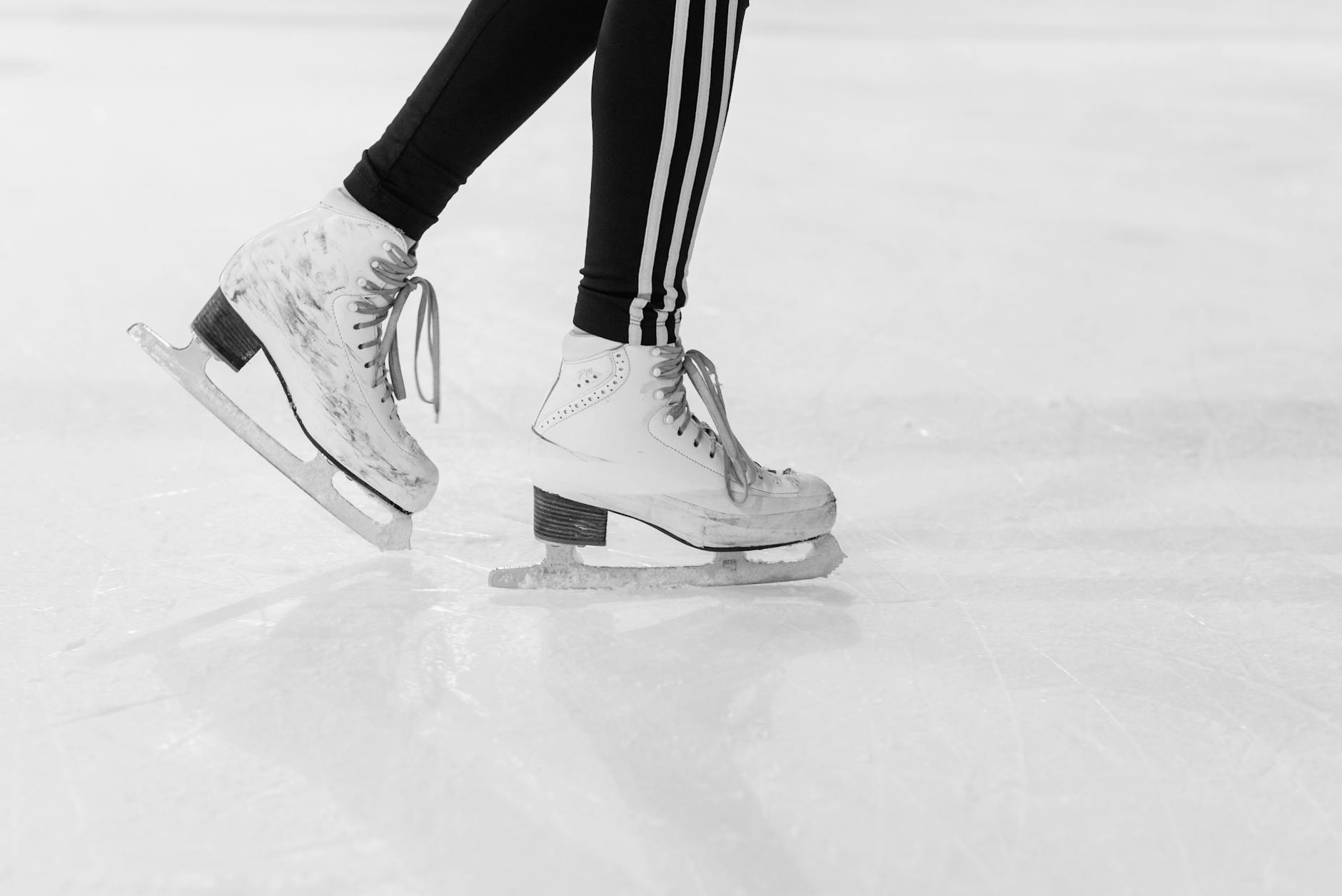
Ice skating is a fun and beautiful sport that people enjoy all around the world. It feels smooth and light when you glide on the ice, which is why many beginners fall in love with it very quickly. Ice skating is great for children, adults, and even seniors. You can skate indoors at a rink or outdoors in winter. Some people skate for fun while others train to compete.
This guide explains ice skating in simple words. It covers what the sport is, why people enjoy it, the main types of skating, the gear you need, and helpful tips if you want to learn.
- What Ice Skating Means
- Why Ice Skating Is Loved by Many
- Main Types of Ice Skating Sports
- Benefits of Ice Skating
- What You Need to Begin Ice Skating
- How to Start Ice Skating Safely
- Tips to Improve Your Ice Skating Skills
- Safety Tips for All Skaters
- Ice Skating as a Competitive Path
- Why Ice Skating Inspires People
- Final Thoughts
What Ice Skating Means
Ice skating happens when a person moves across ice wearing shoes with metal blades. These special shoes are called ice skates. The thin blade helps you glide with very little effort. Many years ago, people used skating as a way to travel across frozen lakes. Today, it has become a sport, a hobby, and even a form of art.
Why Ice Skating Is Loved by Many
There are many reasons people enjoy this winter activity.
- It helps you stay fit and active.
- It teaches balance and body control.
- It is fun to do with friends or family.
- It looks smooth and graceful.
- It can be done almost all year with indoor rinks.
Watching ice skaters perform spins, jumps, or fast races also inspires new learners and fans.
Main Types of Ice Skating Sports
Ice skating is not just one sport. It has many styles. Each style teaches different skills and has its own competitions.
1. Figure Skating
Figure skating is the artistic form of ice skating. Skaters dance, jump, spin, and glide to music. They perform alone, with a partner, or as part of a group.
Common features of figure skating:
- Jumps
- Spins
- Footwork
- Ice dance routines
This type of skating is one of the most popular events during the Winter Olympics.
2. Speed Skating
Speed skating is all about racing. The goal is to finish the track as fast as possible. Skaters use long, smooth strides to reach high speeds.
Types of speed skating:
- Long track
- Short track
Speed skaters wear special suits that reduce air resistance, helping them move faster around the ice.
3. Ice Hockey
Ice hockey is a fast team sport played on ice. Players wear protective gear and use sticks to guide a puck into the other team’s net.
To play hockey well, you need:
- Strong skating skills
- Quick thinking
- Good teamwork
- Fast reflexes
It is a popular sport in countries with cold climates.
4. Recreational or Casual Skating
Many people skate for fun. They visit local rinks, join winter festivals, or skate on frozen ponds when the weather is safe. This form of skating is not about performance or competition. It is simply about enjoyment.
Benefits of Ice Skating
Ice skating has many health and wellness benefits. It is good for the body and mind.
1. Builds Strength
Skating strengthens leg muscles and the core.
2. Improves Balance
Standing and gliding on a thin blade helps your body learn better balance.
3. Boosts Mood
The smooth, flowing motion feels calming and joyful.
4. Encourages Social Time
Skating with others makes it a fun group activity.
What You Need to Begin Ice Skating
You do not need many items to start skating. Just a few basics will help you enjoy your first time on the ice.
- Good ice skates that fit well
- Warm and stretchy clothes
- Gloves
- Helmet for beginners, especially children
Shoes that fit properly make a big difference. They keep your ankles steady and help you glide with more control.
How to Start Ice Skating Safely
If you are new to ice skating, follow these simple steps:
- Bend your knees a little to stay balanced.
- Start with tiny steps instead of gliding right away.
- Hold the side railing if you feel unsure.
- Learn how to fall safely by bending your knees.
- Practice stopping by pressing the edge of your skate into the ice.
A short beginner class can also make learning easier.
Tips to Improve Your Ice Skating Skills
To get better at ice skating, practice often and stay patient.
Here are some helpful training ideas:
- Warm up your legs before you step on the ice.
- Do simple balance exercises at home.
- Use slow and smooth movements on the ice.
- Learn how to turn by shifting your weight gently.
- Watch skilled skaters to learn good posture.
Small improvements over time will help you skate more comfortably.
Safety Tips for All Skaters
Safety is important on the ice, especially in crowded rinks.
Keep these tips in mind:
- Do not skate on frozen lakes unless they are declared safe.
- Wear protective gear if you are a beginner.
- Keep space between you and other skaters.
- Avoid trying hard tricks until you have proper training.
- Follow the rules of the rink.
These steps help ensure that everyone enjoys their time safely.
Ice Skating as a Competitive Path
Some skaters choose to train professionally. They enter competitions and spend many hours practicing.
Competitive paths include:
- Figure skating contests
- Ice dancing
- Speed skating races
- Hockey leagues
Professional skaters train daily to perfect their form, build strength, and learn new skills.
Why Ice Skating Inspires People
Ice skating inspires many because it mixes grace with strength. It looks peaceful and powerful at the same time. Watching a skater perform a perfect jump or glide in a smooth curve can leave people amazed. Even beginners feel proud when they learn to glide without fear.
Final Thoughts
Ice skating is a sport filled with joy, grace, and adventure. Anyone can try it with simple gear and a little confidence. It helps you stay active and learn new skills. You can enjoy it for fun, fitness, or competition. With regular practice and safe habits, you can grow into a smooth and confident skater.
Disclaimer
This article offers simple information for general learning. It is not a substitute for professional training or safety advice. Always follow local rules and take proper lessons when needed.