Charcuterie is a food term that many people hear today, especially during holidays, parties, or family gatherings. The word may sound fancy, but the idea behind it is simple. Charcuterie refers to the practice of preparing and serving cured meats along with cheese, fruits, nuts, crackers, and small side foods on a shared board. These boards look colourful, taste good, and offer something for everyone.
This article breaks down the meaning of charcuterie, its history, the items you can use, and tips to help you create your own board at home. Everything is written in simple language so beginners can understand the concept without confusion.
What Charcuterie Means
The word charcuterie comes from French. It originally referred to shops that sold cured meats like ham, sausages, pâtés, and other prepared meat products. Before modern refrigerators existed, curing and smoking helped preserve meat for longer periods.
Today, charcuterie has grown into a broader idea. It now includes the full board or platter that holds meats, cheeses, fruits, dips, nuts, and other small snacks. In simple terms, charcuterie is the art of arranging small, flavourful foods together in an attractive way.
How Charcuterie Became Popular
Charcuterie boards have been around for centuries, but their popularity increased when people began hosting more casual gatherings at home. The boards are easy to set up, look elegant, and match many occasions. They work for festive celebrations, weekend dinners, outdoor picnics, or friendly meetups.
Social media also played a major part in making charcuterie trendy. A well-arranged board is colourful and eye-catching, which makes it perfect for photos and videos. Since then, the concept has expanded into many creative directions. There are vegetarian boards, vegan boards, dessert boards, fruit boards, and even themed breakfast boards. The idea is flexible and can be tailored to any taste or diet.
What You Usually See on a Charcuterie Board
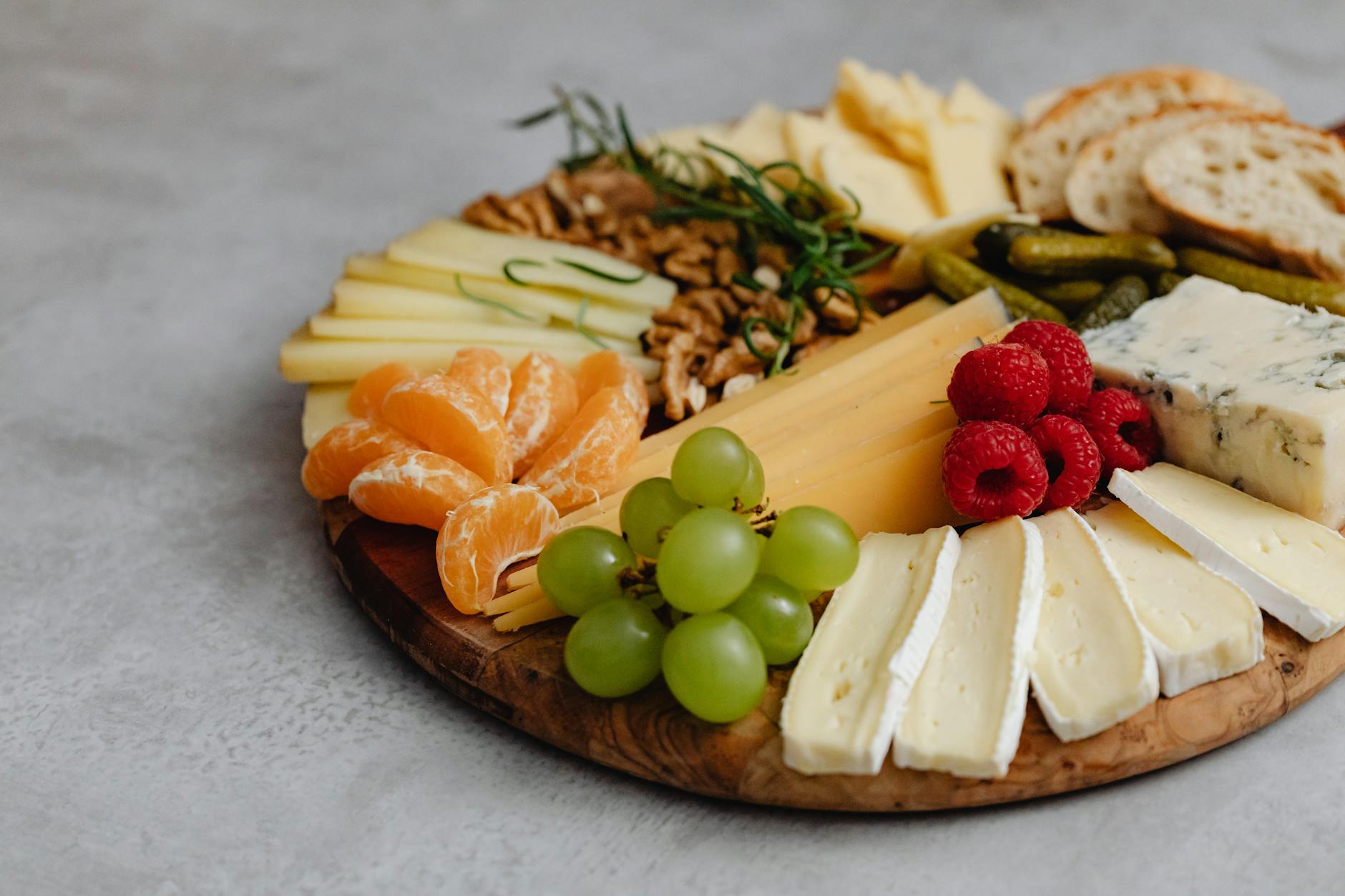
A good charcuterie board brings together a mix of flavours, textures, and colours. Here are some common items:
1. Cured Meats
These meats are lightly salted, seasoned, or smoked.
- Salami
- Prosciutto
- Pepperoni
- Chorizo
- Ham slices
They are usually thinly sliced so they are easy to pick and enjoy.
2. Cheese
Cheese adds creaminess and flavour. A mix of soft and firm cheese works best.
- Brie
- Cheddar
- Gouda
- Parmesan
- Blue cheese
- Mozzarella balls
Variety in texture and shape helps make the board more visually appealing.
3. Fresh Fruits
Fruits add sweetness and a bright pop of colour.
- Grapes
- Strawberries
- Apple slices
- Berries
- Pear slices
- Figs
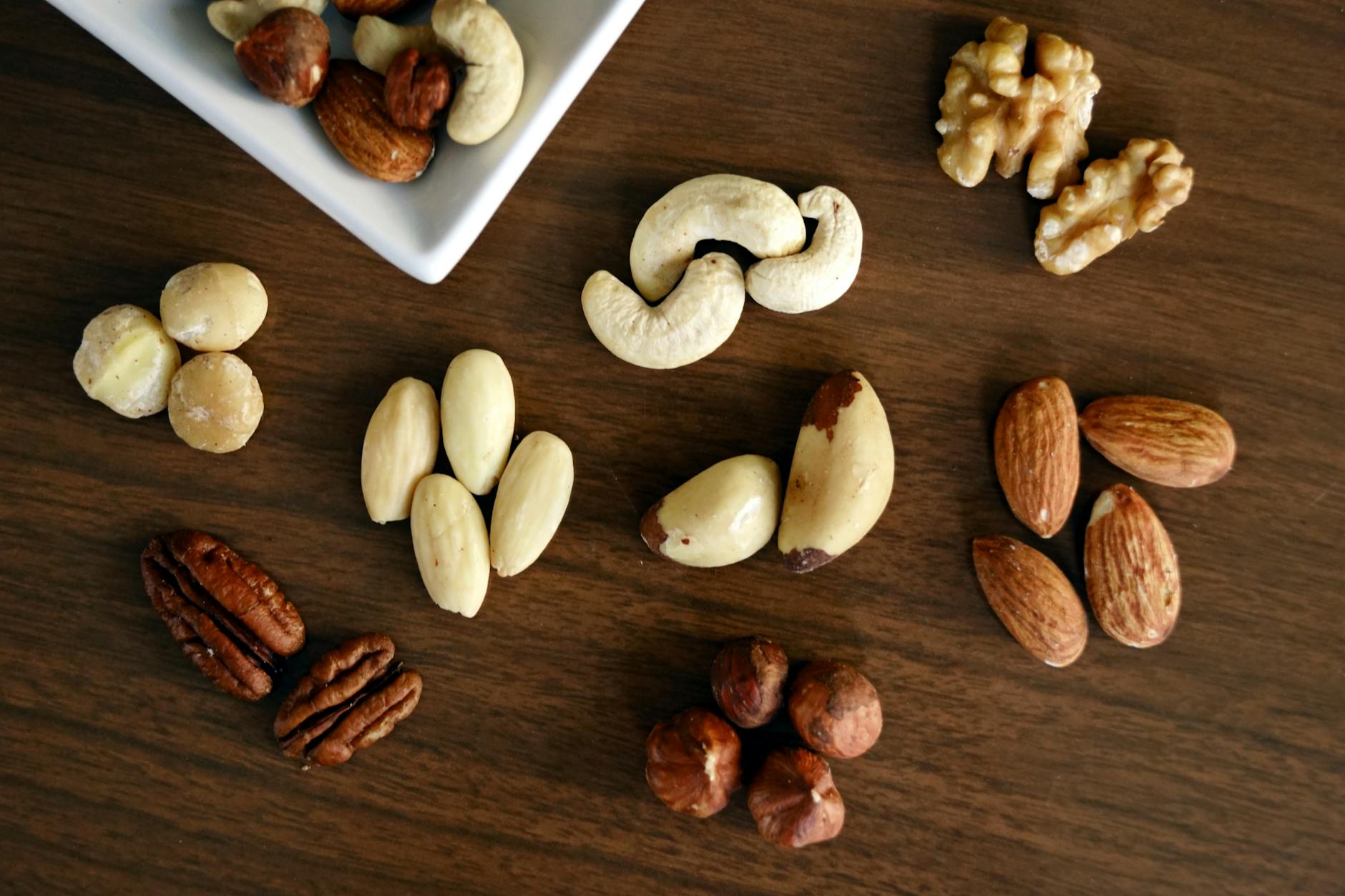
4. Nuts
Nuts bring crunch to the board.
- Almonds
- Walnuts
- Cashews
- Pistachios
5. Spreads and Dips
Dips help balance flavours.
- Honey
- Jam
- Mustard
- Hummus
- Pesto
- Olive tapenade
6. Crackers and Bread
Bread items help pair the meats and cheese.
- Crackers
- Breadsticks
- Baguette slices
- Toasted bread
7. Savoury Add-ons
These add a salty or tangy taste.
- Pickles
- Olives
- Jalapeños
- Pickled onions
- Gherkins
How to Build a Simple Charcuterie Board at Home
Creating a charcuterie board is easier than most people think. It does not require expensive items. You can use what you already have at home.
Step 1: Choose a Base
You can use:
- A wooden board
- A serving tray
- A clean baking tray
- A large plate
The size depends on how many people you are serving.
Step 2: Place the Large Items First
Start by placing small bowls for jam, sauces, or dips. Add cheese blocks next, as they take up more space.
Step 3: Add the Meats
Fold or roll meat slices so they look neat and add height to the board.
Step 4: Fill Gaps with Fruits and Nuts
This helps add colour and variety.
Step 5: Add Crackers and Bread
Add these at the end so they stay crisp and fresh.
Step 6: Add a Finishing Touch
Fresh herbs like rosemary or a drizzle of honey can make the board look complete.
Different Types of Charcuterie Boards
You can create many versions of charcuterie based on your preference.
Vegetarian Board
This includes:
- Cheese
- Vegetables
- Hummus
- Nuts
- Fruits
- Crackers
Vegan Board
This uses plant-based ingredients:
- Vegan cheese
- Plant-based deli slices
- Fresh vegetables
- Nuts
- Fruit spreads
- Olives
Dessert Board
Great for parties or celebrations.
- Chocolates
- Cookies
- Marshmallows
- Fruits
- Caramel dip
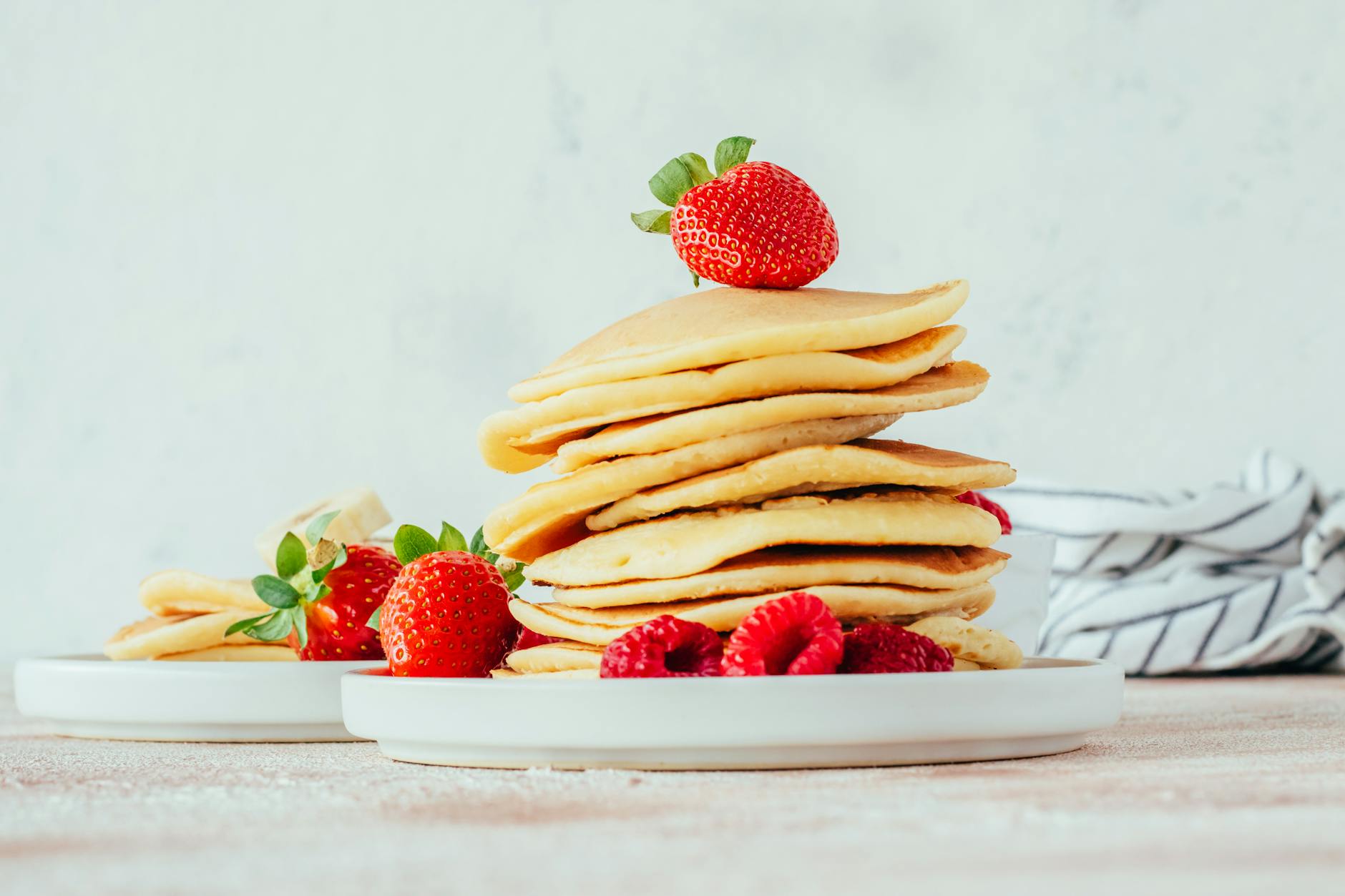
Breakfast Board
Good for slow mornings or weekend brunch.
- Waffles
- Pancakes
- Fruit
- Butter
- Jams
- Yogurt cups
Festival or Holiday Board
Seasonal boards look and feel special.
- Cranberries
- Spiced nuts
- Holiday cookies
- Star-shaped cheese
- Festive fruits
Quick View Table
| Category | Examples | Helpful Tip |
| Meats | Salami, ham, prosciutto | Slice thin for easy serving |
| Cheese | Brie, cheddar, gouda | Use a mix of soft and firm types |
| Fruit | Grapes, berries, apples | Use colourful seasonal fruit |
| Dips | Jam, hummus, mustard | Place dips in small bowls |
| Crunch | Crackers, breadsticks | Add them at the end |
| Savoury | Pickles, olives | Use them to balance sweet flavours |
Practical Tips for Great Charcuterie
These tips help make your board attractive and enjoyable:
Keep a Balance
Use a mix of sweet, salty, creamy, and crunchy items.
Use Colour
Bright fruits and vegetables make the board more inviting.
Stay Flexible
You do not need gourmet foods. Simple household items can work well.
Think About Guests
Check for allergies or dietary preferences.
Serve Cheese at Room Temperature
This improves flavour and texture.
Cut Items into Bite-Sized Pieces
Small pieces are easier to serve and eat.
Keep Extras Nearby
Crackers and fruit disappear fast, so keep some on the side.
Why Charcuterie Works for All Occasions
Charcuterie is popular because it is simple yet impressive. It fits into many situations. A small board works well for a movie night. A large board suits holiday dinners or parties. Since the boards can include many different foods, people with different tastes can all find something they enjoy. It also encourages sharing and conversation, making it perfect for social gatherings.
Final Thoughts
Charcuterie is not just about food. It is about creativity and bringing people together. The board you create can reflect your personality and the occasion you are celebrating. You can build a simple board using everyday ingredients or try special items for festive events. With a thoughtful mix of flavours, colours, and textures, your charcuterie board will always be a highlight.
Disclaimer
This article provides general information for educational use. Food choices and dietary needs vary from person to person. Always check ingredient labels if you have allergies or health concerns.