
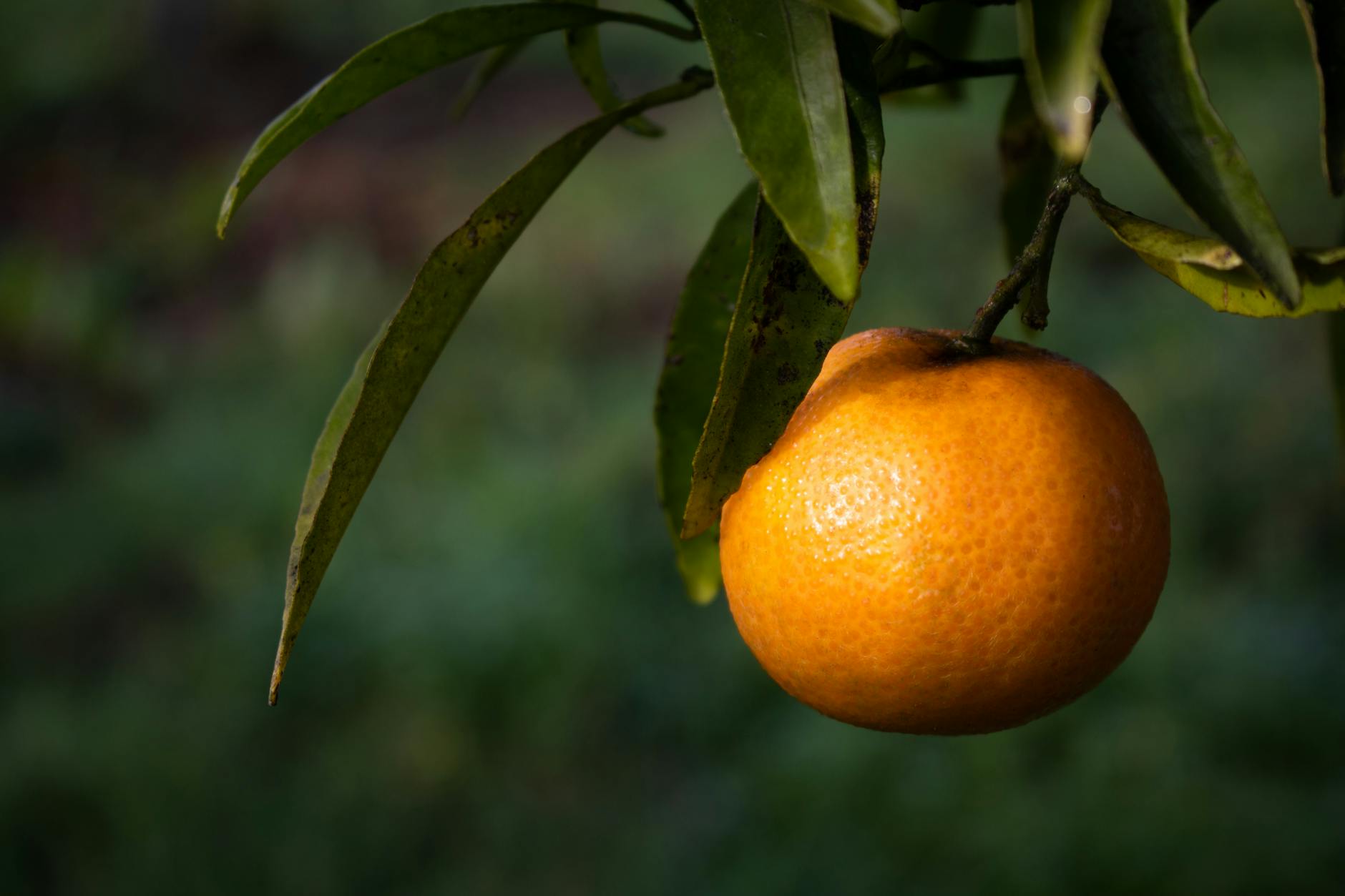
Trees add life, beauty, and a sense of calm wherever they grow. They cool the environment, support birds and insects, and improve air quality. Whether a person lives in a large house, an apartment, or a compact urban space, there is always room for the right tree. Many people believe trees need large gardens, but today, thanks to dwarf and compact varieties, it is possible to grow them even on balconies, terraces, and small courtyards.
This detailed guide explains the different types of trees, their benefits, and how to choose the right ones for small spaces. It also includes practical tips, care guidelines, and a helpful comparison table for quick reference.
- Quick View Comparison Table
- Understanding Different Types of Trees
- 1. Evergreen Trees
- 2. Deciduous Trees
- 3. Flowering Trees
- 4. Fruit Trees
- 5. Shade Trees (Small Versions)
- 6. Coniferous Trees
- 7. Tropical Trees
- 8. Medicinal Trees
- How Trees Improve Daily Life
- Practical Tips for Growing Trees in Small Spaces
- Conclusion
Quick View Comparison Table
Below is a consolidated table featuring commonly grown small trees—including evergreens, flowering trees, fruit trees, medicinal varieties, and ornamental garden trees.
| Tree Name | Care Level | Maintenance Requirements | Benefits | Space Required | Quick Tips |
| Japanese Maple | Low–Moderate | Water regularly for 1–2 years; mulch; minimal pruning | Stunning fall color, compact size, non-invasive roots | 10–25 ft height; 10–20 ft spread | Morning sun preferred; protect shallow roots |
| Eastern Redbud | Low | Mild watering for first 2 years; minimal pruning | Pink-purple spring blooms; attracts pollinators | 15–20 ft height | Great understory tree; fast-growing |
| Crabapple | Low–Moderate | Prune after bud set; remove suckers | Spring flowers, berries, wildlife-friendly | 6–20 ft height | Choose disease-resistant varieties |
| Flowering Cherry | Moderate | Water regularly first 3–5 years; prune in summer | Stunning blossoms; ornamental | 15–25 ft height | Needs full sun and wind protection |
| Paperbark Maple | Low | Weekly water for first years; mulch; minimal pruning | Decorative peeling bark; fall color | 20–30 ft height | Slow-growing; winter-interest |
| Fringe Tree | Low–Moderate | Occasional watering; mulch; light pruning | Fragrant flowers; wildlife-friendly | 12–20 ft height | Hardy and adaptable |
| Serviceberry | Low | Water first 2 years; low pruning | Edible berries; white spring flowers | 12–15 ft height | Great for wildlife gardens |
| Rowan (Mountain Ash) | Low | Regular watering when young | Pretty leaves, berries | 12–15 ft height | Compact varieties ideal |
| Witch Hazel | Low–Moderate | Water during dry spells; prune after bloom | Winter flowers; fragrant | 15–20 ft height | Shade tolerant |
| Weeping Pear | Low | Water when young; minimal pruning | Silvery foliage; architectural look | 12–15 ft height | Unique color and shape |
| Pine (Dwarf) | Low | Occasional watering; slow-growing | Evergreen; year-round greenery | Container size varies | Good for balconies |
| Cedar (Dwarf) | Low | Minimal care; good drainage | Fragrant wood; evergreen beauty | Container friendly | Ideal for terraces |
| Spruce (Mini varieties) | Low–Moderate | Regular watering; slow pruning | Holiday look; evergreen | Medium pots | Likes cool climates |
| Oak (Ornamental/Dwarf) | Moderate | Seasonal watering; structured pruning | Long-lived; strong branches | Medium gardens | Choose compact types |
| Birch (Dwarf) | Moderate | Moist soil; sunny spots | White bark; airy texture | Pots or small yards | Needs regular watering |
| Cherry Blossom (Compact) | Moderate | Moist soil; good sunlight | Famous blooms; ornamental | Medium spaces | Shallow roots; sun-loving |
| Jacaranda (Dwarf) | Moderate | Regular watering; sunlight | Purple blooms; tropical look | Terraces, small yards | Needs warm climate |
| Magnolia (Dwarf) | Moderate | Moist soil; light pruning | Large fragrant flowers | Medium containers | Slow-growing |
| Mango (Dwarf) | Moderate | Sunny spot; deep watering | Fresh fruit; evergreen | Large pots | Best in warm climates |
| Apple (Columnar) | Moderate | Regular watering; fertilizing | Fruit-bearing; vertical growth | Balconies, terraces | Needs cross-pollination |
| Citrus (Orange/Lemon/Lime) | Low–Moderate | Sunlight; moderate watering | Fragrance + fruit | Containers | Great for beginners |
| Banyan (Bonsai/Dwarf) | Low–Moderate | Regular light pruning | Iconic look; shade | Pots | Indoor-friendly |
| Neem (Young/Potted) | Low | Sunlight; occasional watering | Medicinal; hardy | Pots first few years | Loves full sun |
| Rain Tree (Bonsai) | Low–Moderate | Moderate watering; pruning | Soft canopy; bonsai charm | Pots | Heat tolerant |
| Fir (Dwarf) | Low | Cool weather; light moisture | Evergreen; neat shape | Pots | Great decorative plant |
| Cypress (Columnar) | Low | Minimal pruning; sunlight | Tall and narrow; space-saving | Entryways, balconies | Good for privacy |
| Redwood (Mini) | Moderate | Moist soil; partial sun | Unique bark; ornamental | Containers initially | Prefers cool climates |
| Coconut (Dwarf) | Moderate | Full sun; regular watering | Tropical look; fruit | Small yards | Needs warmth |
| Teak (Young Plant) | Moderate | Sun-loving; moist soil | Timber quality; strong leaves | Pots (early years) | Grows fast |
| Mahogany (Sapling) | Low–Moderate | Sunlight; moderate water | Valuable timber; shade | Pots temporarily | Needs space later |
| Arjun | Low | Moderate watering; sun | Heart-health medicinal properties | Pots or gardens | Hardy and adaptable |
| Bael | Low–Moderate | Drought-resistant | Medicinal fruit; hardy | Pots and small yards | Tolerates heat |
| Eucalyptus (Dwarf) | Low | Moderate watering; sunlight | Fragrant leaves; mosquito repellent | Containers | Fast-growing |
Understanding Different Types of Trees
Trees can be grouped based on their appearance, behavior, climate needs, and seasonal changes. Knowing these groups helps gardeners—even beginners—pick the right tree for their home.
1. Evergreen Trees
Evergreen trees stay green throughout the year. They do not shed all their leaves at once and are perfect for creating privacy screens or for adding consistent greenery.
Popular Evergreen Trees
- Pine (Dwarf)
- Cedar (Dwarf)
- Spruce (Mini Crimson or Dwarf Alberta Spruce)
Why Evergreens Are Ideal
- Year-round greenery
- Tolerate different weather
- Great for blocking unwanted views
- Many varieties grow well in containers
Dwarf evergreens are especially valuable for city homes with limited outdoor space.
2. Deciduous Trees
These trees shed leaves in autumn or dry seasons and regrow them later. The cycle creates beautiful seasonal change.
Common Deciduous Trees
- Oak (Ornamental dwarf varieties)
- Japanese Maple
- Birch (Dwarf species)
Why Choose Deciduous Trees?
- Bright fall colors
- Winter sunlight can enter the home once leaves drop
- Great for temperate climates
Japanese Maples are one of the most popular compact deciduous trees due to their manageable size and stunning colors.
3. Flowering Trees
Flowering trees add charm, fragrance, and color. Many compact varieties thrive even in small gardens.
Best Flowering Trees for Small Spaces
- Cherry Blossom (Compact)
- Jacaranda (Dwarf)
- Magnolia (Small varieties)
Why Flowering Trees Stand Out
- Boost mood
- Attract bees, butterflies, and birds
- Grow well in containers
Their beauty requires a little more care, but they make spaces feel vibrant and welcoming.
4. Fruit Trees
Fruit trees are practical and satisfying to grow. With modern dwarf varieties, you can grow them on terraces or balconies.
Popular Small-Space Fruit Trees
- Mango (Dwarf varieties)
- Apple (Columnar)
- Citrus (Orange, Lime, Lemon)
Why Fruit Trees Are Worth It
- Fresh, home-grown fruit
- Pleasant fragrance
- Better control over chemical-free produce
Citrus trees are especially forgiving and suited for beginners.
5. Shade Trees (Small Versions)
Shade trees normally grow huge, but compact or bonsai versions offer the same beauty in a small form.
Best Compact Shade Trees
- Banyan (Bonsai)
- Neem (Young tree)
- Rain Tree (Mini or Bonsai)
Benefits
- Natural cooling
- Reduce indoor heat
- Provide restful shade
They improve the micro-climate of small courtyards or terraces.
6. Coniferous Trees
Conifers produce cones and stay evergreen. Many have an upright, structured form that complements modern homes.
Top Conifer Picks
- Fir (Mini)
- Cypress (Columnar)
- Redwood (Dwarf)
Why Conifers Work Well
- Low maintenance
- Neat shapes
- Good for entryways and balconies
Cypress trees are especially useful for narrow spaces.
7. Tropical Trees
Tropical trees love warm weather and sunlight.
Great Tropical Options
- Dwarf Coconut
- Teak (Young plant)
- Mahogany saplings
Why Tropical Trees Are Beneficial
- Provide shade
- Support biodiversity
- Offer cultural and economic value
They need sunlight and warm climates to thrive.
8. Medicinal Trees
These trees provide natural health benefits and are ideal for home gardens.
Useful Medicinal Trees
- Arjun
- Bael
- Eucalyptus (Dwarf)
Benefits
- Natural remedies
- Aromatic leaves
- Air-purifying qualities
Medicinal trees blend functional beauty with wellness.
How Trees Improve Daily Life
Trees offer more benefits than we notice. Even one small tree can:
- Reduce heat
- Protect against pollution
- Improve mood
- Support birds and butterflies
- Add natural beauty
In crowded cities, the presence of trees can make spaces feel peaceful and livable.
Practical Tips for Growing Trees in Small Spaces
Growing a tree in a small home is entirely possible with the right approach.
1. Choose Dwarf Varieties
They are designed for compact spaces.
2. Use the Right Pot
Large containers provide root stability.
3. Ensure 4–6 Hours of Sunlight
Place your tree in a bright corner.
4. Don’t Overwater
Check the soil before watering again.
5. Prune Regularly
Keeps the tree in shape and promotes new growth.
6. Use a Good Soil Mix
Container soil must be lightweight and well-drained.
7. Rotate Pots
Ensures even sunlight exposure.
8. Watch for Pests
Quick checks prevent major problems.
9. Support Young Trees
Staking helps them grow straight.
10. Repot Every 2–3 Years
Encourages strong root development.
With these steps, even balconies can become lush green corners.
Conclusion
Trees bring life, beauty, shade, and fresh air into every home. Understanding tree categories and their care needs helps you choose the right tree for your climate, lifestyle, and available space. Whether you pick an evergreen pine, a flowering cherry blossom, a fruit-giving citrus tree, or a medicinal bael tree, each one creates a positive impact.
With proper care and thoughtful selection, any small balcony or compact garden can become a thriving green space. Planting a tree is not just a gardening choice, it is a gift to the environment and to future generations.
Disclaimer
This article provides general information on tree types and home gardening. Growing conditions can vary based on climate, soil, and maintenance. For specific guidance, consult a local gardening expert or horticulturist.


