
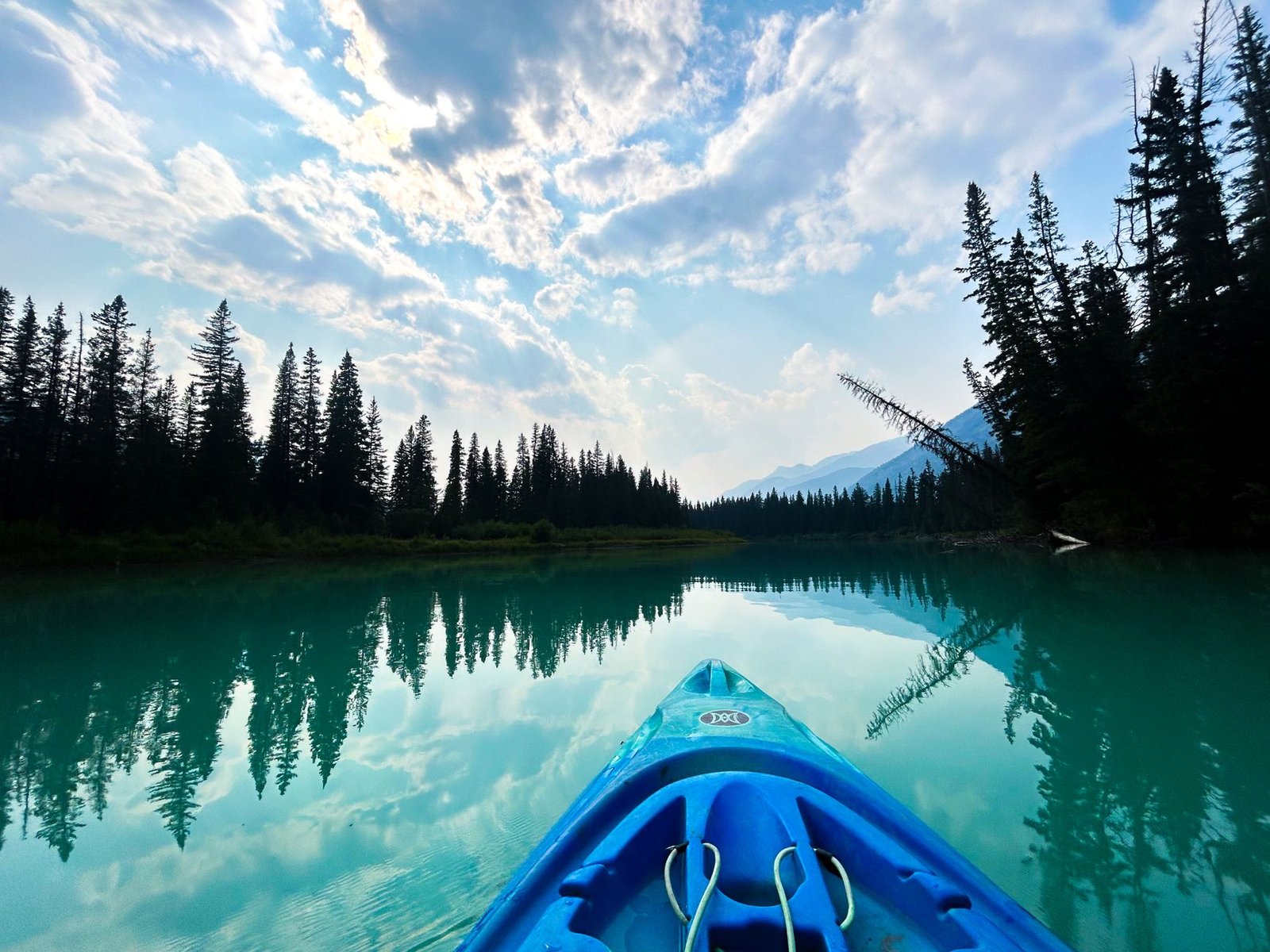
Kayaking transforms a destination in ways that land-based travel cannot match. A landscape that would take hours to explore on foot becomes accessible within minutes by water. The perspectives shift constantly as you move. Wildlife behaves differently when you approach silently from the water. Weather changes the entire character of a place and the paddling experience. The same destination looks entirely different in calm morning light compared to afternoon storms. This is why serious kayakers talk about destinations as much as any tourists talk about landmarks. Each water body on earth presents a completely different experience. For many, the draw is not just the destination itself but the particular way kayaking allows you to inhabit that place.
The world’s great kayaking destinations fall into distinct categories: fjord and glacier paddling in remote polar regions, whitewater challenges in mountainous terrain, reef and island paddling in tropical waters, and historic coastal paddling through populated regions. The following destinations represent the best experiences currently available across each of these categories.
- Northern Europe: Norwegian Fjords and Scottish Lochs
- South America: Patagonia and Whitewater Rivers
- Southern Hemisphere: New Zealand's Diverse Waterways
- North Atlantic: Iceland and Greenland
- Tropical Paddling: Coral Reefs and Island Coasts
- The Dalmatian Coast and Mediterranean
- Choosing a Destination
- Planning Your Kayaking Adventure: A Practical Guide
Northern Europe: Norwegian Fjords and Scottish Lochs
Norway represents the gold standard for fjord kayaking. The country contains over 1,100 fjords carved by ancient glaciers, deep narrow waterways flanked by cliffs and mountains that rise directly from the water. The most famous is Geirangerfjord, which features waterfalls cascading down mountainsides, snow-capped peaks visible year-round from certain angles, and water calm enough for beginners to paddle safely. The fjords support healthy populations of seals, sea eagles, and occasionally whales. Most visitors fly into either Alesund Airport or take the scenic train from Oslo, which takes five and a half hours through gradually changing landscape.
The best season for Norwegian kayaking is June through September, when water temperatures are less hostile and daylight extends nearly around the clock in northern regions. Southern Norway offers sea kayaking along a ragged coastline dotted with thousands of islands, many accessible as camping destinations.
Scotland offers a completely different fjord experience. The Scottish lochs are freshwater rather than salt, surrounded by moorland and mountains instead of vertical rock faces. Loch Ness, the largest by volume in the British Isles, stretches for 23 miles and presents moody, atmospheric paddling. Mist frequently rises off the water in early morning. Ruins of ancient castles appear unexpectedly around bends. The landscape changes constantly: sometimes opening to wide vistas, sometimes constricting to narrow passes between steep banks. Loch Lomond and Loch Katrine offer similar experiences with slightly gentler terrain. Scotland has over 790 islands, many accessible only by kayak, making multi-day expeditions with wild camping entirely feasible for experienced paddlers.
South America: Patagonia and Whitewater Rivers
Patagonia stretches across the southern regions of Argentina and Chile, a landscape of glaciers, turquoise lakes, jagged mountain peaks, and relentless wind. Paddling in Patagonia is not for the timid. Winds can accelerate from completely calm to 60 miles per hour in minutes, creating waves that demand respect. When conditions cooperate, however, the experience ranks among the most spectacular kayaking on earth.
Lago Grey in Torres del Paine offers multiple tour options ranging from a few hours to six days, with Glacier Grey as the primary destination. Paddlers approach the glacier on the water, seeing the towering blue ice face up close. Occasionally, massive chunks of ice calve off the glacier face, creating waves powerful enough to lift kayaks several feet. The water itself glows turquoise from suspended glacial sediment. Experienced paddlers can venture further south to the Beagle Channel, where penguin colonies and sea lion populations share the water.
Chile’s rivers are equally famous among kayakers. The Futaleufu River delivers both stunning beauty and technical challenge, with bright blue rapids, massive waterfalls, and natural rock formations along its length. The river is graded for intermediate to expert paddlers depending on the section. Pucon serves as the base for accessing both easy beginner runs and challenging creek paddling. The water clarity is exceptional, allowing visibility of the riverbed even in deep sections.
Southern Hemisphere: New Zealand’s Diverse Waterways
New Zealand presents an extraordinary range of kayaking opportunities. The North Island features rivers cutting through dense rainforest, with narrow passages between tree-lined banks and the constant sound of native bird calls. The South Island is mountainous and dramatic, with Alpine scenery, rolling hills, and countless river systems flowing from the Southern Alps.
Fiordland, located on the South Island, contains hundreds of fjords carved by glaciers into steep, towering mountains. The landscape is so remote that much of it is inaccessible except by boat or helicopter. Doubtful Sound and Milford Sound are the most visited, offering calm water in most conditions and pristine wilderness uninterrupted by any human settlement. The forests here contain plants found nowhere else on earth. Birdlife includes species found only in New Zealand. The lack of any infrastructure means that guided tours are essential; independent paddlers cannot access these waters safely.
Kaikoura, a coastal town on the South Island, offers a different experience. The continental shelf runs unusually close to the coast, bringing deep-water marine life close to shore. Paddlers regularly encounter dolphins, whales, and fur seals while kayaking. The water temperature is cool enough to demand a wetsuit, but the wildlife encounters make it worthwhile.
North Atlantic: Iceland and Greenland
Iceland offers kayaking in a landscape dominated by volcanic geology. The country’s interior remains inaccessible to most tourists, but waterways allow paddlers to reach areas otherwise unreachable. Lakes formed in volcanic calderas deliver unique paddling experiences. Glacial meltwater rivers require skill and timing to navigate safely.
Greenland represents the final frontier of accessible kayaking. The waters are cold, the landscapes are raw, and the infrastructure is minimal. Paddlers who venture here typically do so on guided expeditions with specialists in Arctic conditions. The rewards include encounters with icebergs, Arctic wildlife including seals and whales, and the profound silence of remote places. The midnight sun in summer means paddling under constant daylight. Many expeditions combine kayaking with hiking and wildlife observation.
Tropical Paddling: Coral Reefs and Island Coasts
Hawaii’s Na Pali Coast presents dramatic scenery on a manageable scale. Towering sea cliffs rise directly from the water, with waterfalls cascading down in several locations. Lava tubes have formed sea caves accessible only by water. The paddle distance is typically less than a day, making it suitable for paddlers with moderate experience. Dolphins, seals, and tropical fish are frequently visible. The water temperature is warm year-round. Most visitors arrange guided tours rather than paddling independently.
The Great Barrier Reef, stretching along Australia’s Queensland coast, offers world-class reef paddling. Clear water allows visibility of coral formations at depth. Marine life ranges from small reef fish to larger species. Conservation efforts in recent years have created sustainable paddling practices that protect the reef while allowing access. Designated tour operators work within strict environmental guidelines.
Raja Ampat in Indonesia represents one of earth’s most biodiverse coral reef systems. The underwater topography creates colorful coral formations visible from the surface. Species variety is extraordinary. Tours depart from nearby ports and typically last several days, combining paddling with snorkeling at select sites.
The Dalmatian Coast and Mediterranean
The Dalmatian Coast of Croatia offers sea kayaking with historical context. The water is clear, the islands are numerous, and the landscape shows evidence of thousands of years of human settlement. Roman ruins, medieval monasteries, and vineyards appear frequently. The sea caves throughout the region offer exploration opportunities. Towns scattered along the coast provide resupply points and accommodations. This destination suits paddlers seeking cultural elements alongside natural beauty.
Choosing a Destination
Selecting a kayaking destination depends on several factors. Skill level is paramount; beginners should avoid Patagonia and whitewater rivers, instead choosing places like the Scottish lochs, Norwegian fjords, or tropical paddling with guides. Time of year matters significantly: the Northern Hemisphere is best from June through September, the Southern Hemisphere from December through March. Budget considerations vary enormously, with Southeast Asia and Central America offering exceptional value, while Scandinavia and New Zealand require higher expenses.
The current kayaking season offers unprecedented access to many destinations. Guided tours have become safer and more environmentally conscious. Equipment has become lighter and more durable. Infrastructure in remote areas has improved while still maintaining wilderness character. For anyone seriously considering world kayaking travel, the opportunities have never been better.
Planning Your Kayaking Adventure: A Practical Guide
Before booking travel to any kayaking destination, use this checklist to prepare effectively. The following information addresses the most common questions and concerns kayakers have when planning international trips.
Skill Level and Experience Requirements
Destinations vary dramatically in the skill required. Beginners should start with calm-water touring in places like the Scottish lochs, Norwegian fjords with guides, or tropical reef paddling with professional operators. Intermediate paddlers can tackle modest whitewater in Chile or New Zealand’s easier river systems. Advanced paddlers should still hire local guides in places like Patagonia and Greenland due to extreme weather and remote conditions. Be honest about your actual skill level; underestimating it is one of the most common mistakes kayakers make when planning international travel.
Physical Fitness Requirements
Paddling fitness differs from general fitness. Building paddling-specific strength takes consistent training. Most recreational paddling requires moderate aerobic fitness and functional upper-body strength. Whitewater and glacier paddling demands significantly more. If you cannot paddle continuously for at least two hours in calm water without fatigue, you are not ready for a multi-day expedition. Start with guided day trips before committing to longer journeys.
Seasonal Timing
Northern Hemisphere paddling peaks June through September. Southern Hemisphere paddling peaks December through March. Tropical destinations are generally paddleable year-round but have rainy and calm seasons that affect conditions. Spring (April to May in Northern Hemisphere) and autumn (September to October) offer excellent paddling with fewer tourists in some locations. Winter paddling is possible but demands cold-water gear and specialized skills.
Essential Gear Checklist
Beyond your kayak and paddle, bring:
- Personal flotation device (PFD): Coast Guard-approved, worn at all times
- Spray deck or skirt: Prevents water from entering the cockpit
- Neoprene or dry suit: Appropriate to water temperature (critical in cold water)
- Water shoes or booties: Grip soles prevent slipping on wet surfaces
- Hat and sunglasses: UV protection and visibility
- Waterproof bags: For storing documents, electronics, and dry clothing
- Paddle float or bilge pump: Safety equipment for self-rescue
- Headlamp or flashlight: Essential for low-light paddling
- First aid kit waterproofed: For treatment of minor injuries
- High-quality sunscreen: Reapply every two hours on the water
Cost Estimates by Destination
Budget estimates per person per day (accommodation, guides, kayak rental, food):
- Southeast Asia (Thailand, Indonesia): 40 to 80 dollars
- Central America (Costa Rica, Belize): 50 to 100 dollars
- Eastern Europe (Croatia, Poland): 60 to 120 dollars
- New Zealand and Australia: 100 to 200 dollars
- Norway, Scotland, Iceland: 120 to 250 dollars
- Patagonia: 150 to 300 dollars
- Greenland: 250 to 500+ dollars
These figures typically include guided tours but not international flights or pre-trip training.
Booking Guides and Tours
Avoid booking through third-party websites when possible. Contact outfitters directly; they can answer specific questions about conditions and match you with appropriate guides. Check references through kayaking forums and social media groups. Verify that guides hold relevant certifications in water rescue and first aid. Ask about group size limits; smaller groups allow more personalization. Inquire about what is included (meals, accommodation, transportation) and what is separate.
Language and Communication
English is widely spoken in kayaking operations in developed countries. Bring a translation app on your phone for emergencies. Learn a few key phrases in the local language: “help,” “injury,” “coast guard,” and “where is the kayak rental.” Carry a laminated card with critical information in the local language and English.
Health Considerations
Visit a travel medicine clinic at least four weeks before departure. Standard vaccinations (tetanus, hepatitis A and B) are recommended for most international travel. Malaria prophylaxis may be required for tropical destinations. Carry comprehensive travel insurance covering water sports. Bring medications for common travel ailments: diarrhea remedies, motion sickness medication, and pain relievers. Sun exposure on water is intense; sunburn happens quickly even on cloudy days.
Water Safety and Wildlife
Always kayak with a partner or in a group. Verify that you can exit your kayak and re-enter in deep water before paddling in open ocean. Understand local wildlife and how to maintain safe distances. Sea crocodiles, sharks, and sea snakes require respect but rarely attack kayakers. Marine mammals such as seals and dolphins are curious and generally harmless if left undisturbed. Never feed wildlife under any circumstances.
Environmental Responsibility
Pack out everything you pack in. Use reef-safe sunscreen (avoiding oxybenzone and octinoxate). Avoid disturbing bird colonies during breeding seasons. Respect camping restrictions and stay on designated sites. Support local conservation efforts by choosing tour operators with strong environmental records. Leave no trace of your passage except paddling marks on the water.
Before You Depart
Register your trip details with your country’s embassy. Share your itinerary with someone at home. Verify that your travel insurance covers kayaking activities. Ensure your passport is valid for at least six months beyond your departure date. Download offline maps of paddling areas. Take photos of important documents. Test all gear in local waters before international travel. Schedule a pre-trip training session with a qualified instructor if you are paddling new water or trying new techniques.
After Your Trip
Document your journey with journal entries and photographs. Join local kayaking clubs when you return to maintain fitness and skills. Consider volunteering with conservation organizations in the destinations you visited. Share your experience through social media and kayaking communities; your insights help others plan their own adventures. Plan your next expedition.
Disclaimer: This article is intended for general informational purposes only. Kayaking in remote or challenging destinations carries inherent risks. Always verify current conditions with local operators, travel with qualified guides when appropriate, and obtain travel insurance that covers water sports activities. Regulations, conditions, and operator information change frequently; verify details directly with destination authorities and outfitters before booking travel.


