As November 2025 unfolds, the global fashion landscape presents an exciting fusion of nostalgia, innovation, and conscious consumption. From the runways of Paris and Milan to the streets of New York and Mumbai, fashion enthusiasts are witnessing a transformative moment where style meets sustainability, and classic elegance dances with bold experimentation. This comprehensive exploration reveals the most influential trends reshaping wardrobes worldwide.
- The Return of Power Dressing with an 80s Twist
- Faux Fur Takes Center Stage
- The Leopard Print Phenomenon
- Burgundy and Butter Yellow Dominate Color Palettes
- Transparent and Sheer Sophistication
- The Loafer-and-Socks Combination
- Sustainable Fashion Revolution
- Slow Fashion and Capsule Wardrobes
- Pattern Mixing Reaches New Heights
- Dark Denim Makes a Statement
- Fringe and Texture Play
- Technology Meets Fashion
- Aquatic and Mermaid-Inspired Aesthetics
- Vegan Fashion Gains Momentum
- Trench Coats Maintain Timeless Appeal
- Generational Fashion Perspectives
- The Future of Fashion Consumption
- Conclusion
The Return of Power Dressing with an 80s Twist
Fashion has come full circle, bringing back the commanding silhouettes of the 1980s with renewed sophistication. Structured jackets featuring prominent shoulders that taper at the waist, paired with high-waisted pin-straight trousers, are dominating professional and casual settings alike. This revival isn’t merely about replicating vintage aesthetics—it represents a contemporary interpretation that empowers wearers through confident, architectural forms.
The power dressing movement extends beyond traditional office attire. Polished Bermuda shorts with structured pleats have emerged as unexpected heroes, offering a sophisticated alternative to conventional workwear. These knee-grazing styles, when paired with crisp shirts and kitten heels, deliver a modern take on executive dressing that feels both authoritative and refreshingly current.
Faux Fur Takes Center Stage
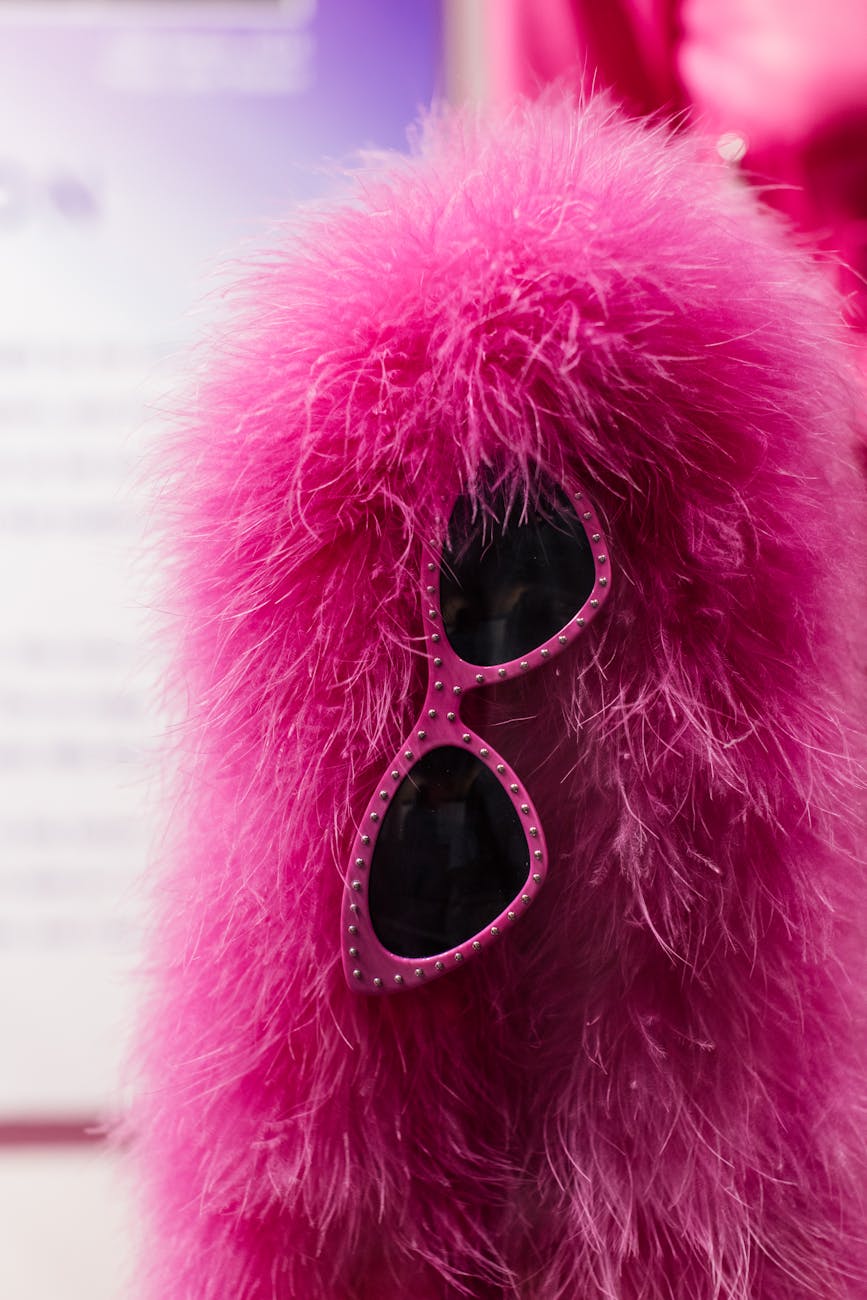
Perhaps no trend has commanded more attention on autumn runways than the overwhelming presence of luxurious faux alternatives to animal-derived materials. Nearly every major fashion house has incorporated faux fur into their collections, presenting everything from floor-length coats to cropped jackets, stoles, and handbags. This widespread adoption signals a significant shift in how luxury brands approach materials and ethics.
The versatility of this trend cannot be overstated. Fashion houses are experimenting with textures, colors, and applications that range from subtle sophistication to dramatic statement pieces. The emphasis on faux materials reflects both environmental consciousness and evolving consumer values, proving that luxury and responsibility can coexist beautifully.
The Leopard Print Phenomenon
Animal prints have roared back into fashion consciousness, with leopard print leading the charge. Leopard print specifically is projected to surge by 138% during peak fashion season, appearing across virtually every clothing category imaginable. From vinyl tops and pencil skirts to boots, bags, and complete coordinated sets, this print has transcended its traditional boundaries.
What distinguishes this iteration from previous cycles is the bold, maximalist approach designers are adopting. Rather than using animal prints as subtle accents, fashion leaders are embracing head-to-toe applications that celebrate the pattern’s inherent drama and energy. This fearless styling reflects broader cultural shifts toward self-expression and individuality in personal style choices.
Burgundy and Butter Yellow Dominate Color Palettes
Color psychology plays a crucial role in fashion’s emotional resonance, and November 2025 showcases two contrasting yet complementary hues. Burgundy has become particularly popular, appearing prominently in belted wrap coats at premium retailers, while also making appearances in accessories and knitwear that add depth to autumn wardrobes.
Butter yellow has emerged as a trending color appearing on everything from sweaters to nail polish, providing a cheerful counterpoint to autumn’s traditionally somber palette. This sunny hue works surprisingly well alongside navy, brown, and other fall staples, injecting optimism and warmth into transitional weather dressing.
Transparent and Sheer Sophistication
The sheer trend has evolved significantly, moving beyond provocative statement pieces toward refined layering techniques. Lightweight, floaty sheer blouses paired with tailoring have become standard at leading fashion houses, creating looks that balance revelation with restraint. This approach to transparency emphasizes texture, dimension, and sophisticated styling over shock value.
Modern interpretations of sheer dressing demonstrate how transparency can enhance rather than overpower an outfit. Strategic layering with complementary undergarments and thoughtful fabric choices transform what could be merely revealing into genuinely elegant ensembles suitable for various professional and social contexts.
The Loafer-and-Socks Combination
Footwear trends in November 2025 celebrate personality and practical comfort. Loafers worn with socks—or deliberately without—have become a defining fall trend, with the addition of socks providing an opportunity for individual expression through color, pattern, and texture. This seemingly simple styling choice has captured widespread attention for its ability to personalize classic silhouettes.
The trend extends to riding boots paired with tights, creating polished combinations perfect for transitional weather. These practical yet stylish choices reflect fashion’s ongoing conversation between functionality and aesthetic appeal, demonstrating that comfort need not compromise elegance.
Sustainable Fashion Revolution
Environmental consciousness has evolved from peripheral concern to central organizing principle within the fashion industry. By 2025, fashion companies are projected to achieve 45% circularity, representing significant progress in sustainability efforts. This transformation encompasses every aspect of production, from material sourcing to end-of-life garment management.
Plant-based materials including mushroom leather, apple leather, and pineapple fibers are becoming mainstream options, offering stylish alternatives that match traditional materials in durability and aesthetic appeal. These innovations demonstrate that sustainable choices need not compromise design quality or visual impact.
The circular fashion model emphasizes reuse, recycling, and responsible design principles that extend garment lifespans. Major brands including Zara and H&M have implemented take-back programs allowing customers to return used clothing for recycling or resale, fundamentally changing how consumers interact with fashion consumption.
Slow Fashion and Capsule Wardrobes
Counter to decades of fast fashion dominance, thoughtful consumption patterns are gaining momentum. The “buy less, choose well” philosophy is reshaping shopping habits, with consumers investing in high-quality, timeless pieces that remain stylish for years. This shift prioritizes longevity over novelty, encouraging deeper connections with individual garments.
Capsule wardrobes built around versatile, well-constructed basics offer practical solutions for modern life’s complexity. By focusing on neutral color palettes and timeless silhouettes, fashion enthusiasts are discovering that owning fewer pieces paradoxically increases wardrobe versatility while reducing environmental impact and decision fatigue.
Pattern Mixing Reaches New Heights
Fashion’s experimental spirit shines through in the enthusiastic embrace of pattern mixing. Designers have demonstrated that plaids, stripes, and florals can coexist harmoniously within single outfits, effectively eliminating traditional notions of clashing patterns. This trend celebrates creative confidence and personal expression through unconventional combinations.
The success of pattern mixing lies in understanding proportion, scale, and color relationships. When executed thoughtfully, these combinations add visual interest and personality to outfits that might otherwise feel predictable or safe. This trend encourages wearers to trust their instincts and experiment with bolder aesthetic choices.
Dark Denim Makes a Statement
After years of lighter washes dominating casual wear, dark denim has reclaimed its position as a wardrobe essential. Dark denim is experiencing significant trend growth, becoming a go-to choice for fashion-conscious consumers. The versatility of dark washes makes them appropriate for various occasions, from casual weekends to more polished evening events.
Cuffed denim styling has emerged as a popular trend among Parisian women, adding a deliberately casual touch to outfits while showcasing footwear choices. This detail-oriented approach to styling demonstrates how small modifications can significantly impact overall aesthetic impression.
Fringe and Texture Play
Movement and dimension characterize one of November’s most playful trends. Fringe detailing on boots and bags is gaining popularity, adding kinetic energy to accessories that might otherwise read as conventional. This tactile element introduces visual interest while maintaining wearability across various style preferences.
Texture layering has become increasingly sophisticated, with fashion enthusiasts combining materials that create depth and complexity. Mixing smooth, rough, matte, and lustrous surfaces within coordinated outfits demonstrates advanced styling sensibility and contributes to visually engaging ensembles.
Technology Meets Fashion
Innovation continues transforming how fashion operates at every level. Blockchain technology provides secure, unchangeable records of products’ journeys from source to sale, allowing brands to verify sustainability claims. This technological integration responds to consumer demands for transparency and accountability in production processes.
Digital Product Passports are emerging as essential tools for improving supply chain visibility. These comprehensive records document each product’s lifecycle, from raw material sourcing through final sale, enabling both brands and consumers to understand environmental and ethical impacts. Such innovations position transparency as competitive advantage rather than optional marketing feature.
Aquatic and Mermaid-Inspired Aesthetics
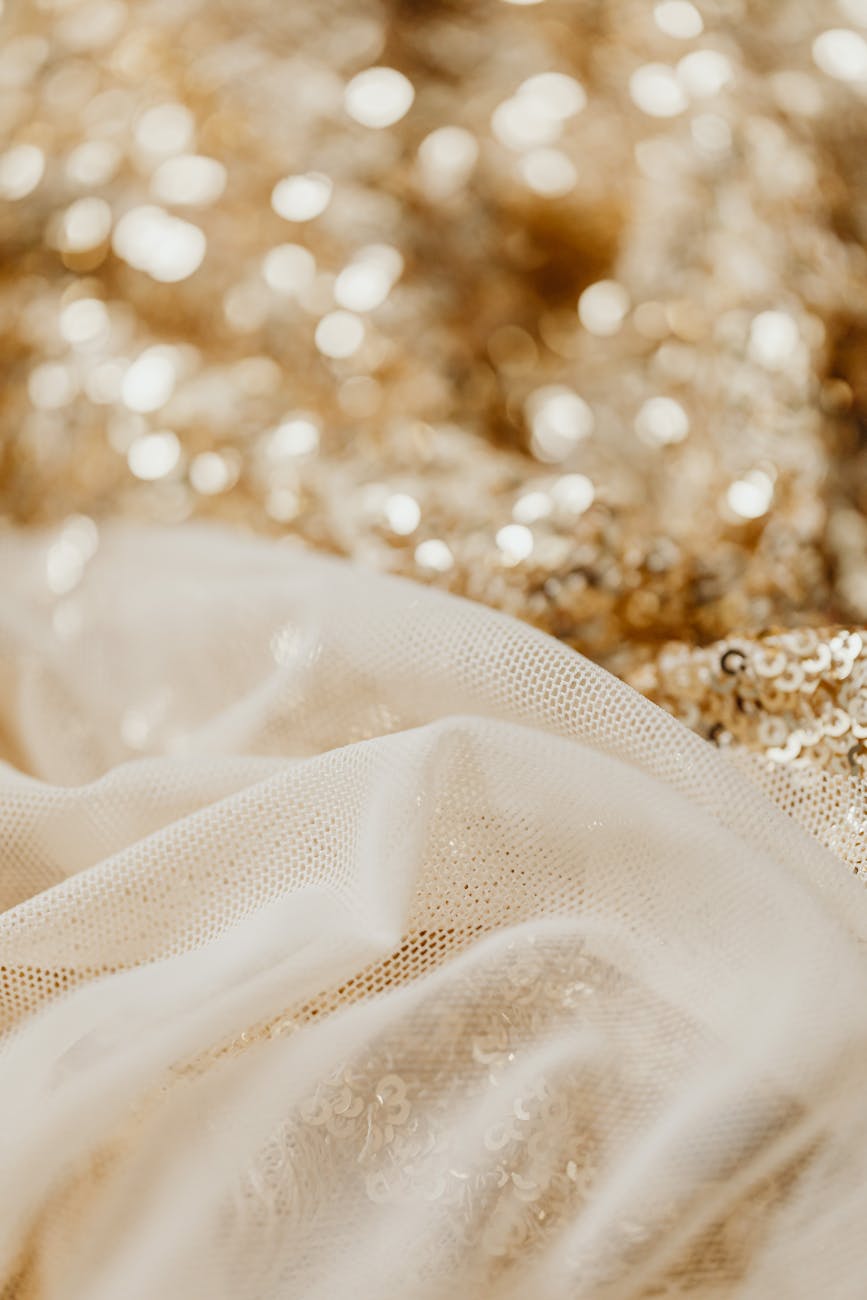
Fashion’s relationship with water-inspired elements has deepened significantly. Mermaid-inspired elements including sequins and fishtail maxi dresses are projected to experience substantial growth, bringing ocean-inspired glamour to evening wear and special occasions. Turquoise shades and metallic finishes evoke aquatic environments while maintaining wearability.
This trend extends beyond literal interpretations, influencing fabric choices, color palettes, and silhouette selections across diverse style categories. The fluidity and shimmer associated with water create ethereal, romantic aesthetics that contrast beautifully with autumn’s typically grounded color stories.
Vegan Fashion Gains Momentum
Ethical considerations increasingly inform fashion choices, with vegan alternatives to animal-derived materials gaining substantial market share. Growing demand for animal-free products has driven a surge in vegan fashion avoiding leather, silk, and wool. These alternatives now match—and sometimes exceed—traditional materials in quality, durability, and aesthetic appeal.
The vegan fashion movement represents more than material substitution; it reflects evolving values regarding animal welfare and environmental stewardship. As production techniques improve and design innovations proliferate, vegan options are becoming increasingly sophisticated and indistinguishable from conventional luxury goods.
Trench Coats Maintain Timeless Appeal
Certain garments transcend seasonal fluctuations, and the trench coat exemplifies enduring style relevance. Trench coats remain trending regardless of weather conditions, maintaining their position as wardrobe essentials. Modern interpretations update classic designs through fabric innovations, color variations, and subtle detail modifications that keep this silhouette feeling contemporary.
The trench’s enduring popularity stems from its remarkable versatility—equally appropriate over professional attire, casual weekends, or evening ensembles. This adaptability makes it a worthy investment piece that delivers consistent value across seasons and occasions.
Generational Fashion Perspectives
Fashion consumption patterns reveal distinct generational characteristics. Generation Z embraces thrift shopping, gender fluidity, and aesthetic-hopping as normal behaviors, using social media platforms as primary style inspiration sources. This demographic’s approach to fashion emphasizes experimentation, sustainability, and fluid identity expression.
Millennials, meanwhile, focus on functional luxury and curated capsule wardrobes reflecting lifestyle values and priorities. This generation seeks pieces that work across multiple contexts while maintaining high quality standards. The intergenerational dialogue enriches fashion discourse, preventing stagnation while honoring established principles.
The Future of Fashion Consumption
Looking forward, fashion’s trajectory points toward increased integration of ethical considerations, technological innovations, and environmental responsibility. Over 60% of leading fashion houses have pledged to adopt regenerative fabrics, with mushroom leather, recycled PET, and algae-based textiles gaining ground. These commitments signal industry-wide recognition that sustainability represents competitive necessity rather than optional marketing angle.
Consumer behavior continues evolving toward consciousness and intentionality. Shoppers increasingly demand transparency regarding production methods, labor conditions, and environmental impacts. This shift empowers individuals to align purchasing decisions with personal values while encouraging brands to adopt more responsible practices.
Conclusion
November 2025 represents a pivotal moment in fashion history, where style and substance converge in unprecedented ways. From the dramatic resurgence of 80s power dressing to the quiet revolution of sustainable materials, current trends reflect both backward-looking nostalgia and forward-thinking innovation. The fashion industry’s increasing emphasis on environmental responsibility, ethical production, and transparent supply chains demonstrates maturation beyond purely aesthetic concerns.
These trends collectively suggest that fashion’s future lies not in choosing between style and sustainability, but in recognizing their essential interdependence. As consumers become more discerning and brands more accountable, the industry moves toward a model that celebrates creativity while respecting planetary boundaries and human dignity. The trends defining November 2025 offer not just clothing choices, but invitations to participate in fashion’s ongoing transformation into a more conscious, inclusive, and responsible global enterprise.
Disclaimer: Fashion trends are dynamic and subject to regional variations and individual interpretations. This article provides general insights based on current industry observations and should not be considered definitive fashion guidance. Readers should adapt these trends to their personal style, body type, lifestyle needs, and budget considerations.