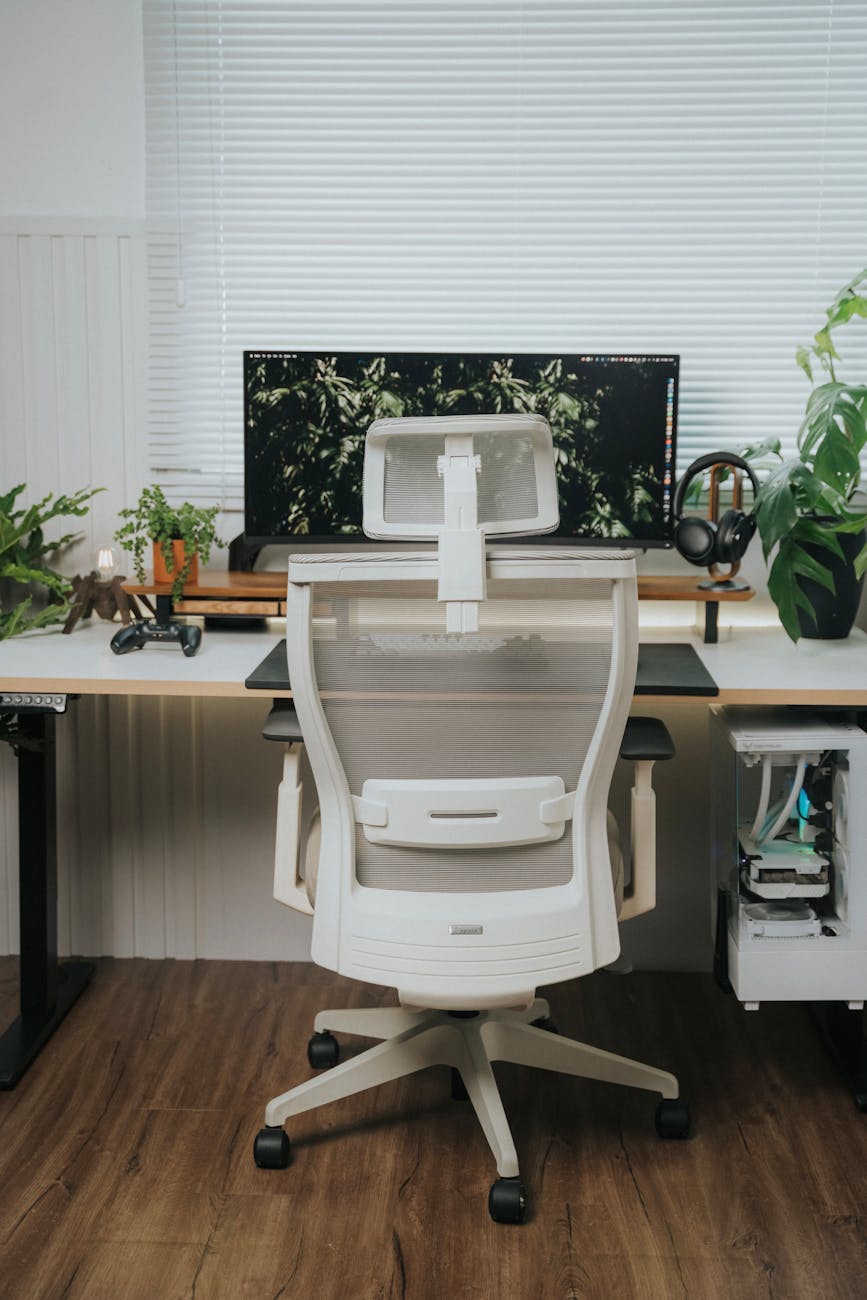
Do you ever feel pain in your back or neck after sitting for a long time? Many people do, and one of the main reasons is poor sitting posture. This often happens when the chair or table you use is not made to support your body well. That is where ergonomic furniture helps.
Ergonomic furniture is designed to keep your body comfortable and healthy while you work, study, or relax. It helps reduce body pain, supports better posture, and keeps you more active and focused throughout the day.
- What Is Ergonomic Furniture?
- Why Ergonomics Matters
- Common Types of Ergonomic Furniture
- Benefits of Ergonomic Furniture
- How to Choose Ergonomic Furniture
- Creating an Ergonomic Setup at Home
- Ergonomic Habits for Everyday Life
- Ergonomics at Work
- Common Myths About Ergonomic Furniture
- The Future of Ergonomic Furniture
- Conclusion
What Is Ergonomic Furniture?
The word ergonomic means “designed for comfort and efficiency.” In simple terms, ergonomic furniture fits your body instead of making your body adjust to the furniture.
It is made to support your spine, arms, legs, and neck in the right way. It also reduces strain on your muscles and joints.
For example, an ergonomic chair supports your lower back, while an ergonomic desk lets you sit or stand comfortably. The goal is to help your body stay relaxed and natural, even during long hours of sitting or working.
Why Ergonomics Matters
Many people today spend long hours sitting in offices, schools, or at home. Sitting in a wrong position for a long time can lead to pain and other health issues.
Some common problems caused by poor posture include:
- Back and neck pain
- Shoulder stiffness
- Wrist or hand pain
- Poor blood flow in the legs
- Headaches and fatigue
Ergonomic furniture helps prevent these problems. It supports your body in a healthy position, helps you sit correctly, and keeps your muscles from getting too tense.
When your body feels better, your mind can focus better too.
Common Types of Ergonomic Furniture
There are many kinds of ergonomic furniture for homes, offices, and schools. Here are some popular ones:
1. Ergonomic Chairs
These chairs are made to support your lower back and promote a straight posture. They often come with adjustable features like seat height, backrest tilt, and armrests.
A good ergonomic chair allows you to keep your feet flat on the floor, your knees at a right angle, and your spine straight.
2. Adjustable Desks
These desks let you change their height, so you can work sitting or standing. Switching between sitting and standing helps reduce back pain and improves blood flow.
3. Ergonomic Keyboards and Mice
If you work on a computer, your hands and wrists can get tired. Ergonomic keyboards and mice are shaped to reduce wrist strain. They allow your hands to stay in a more natural position while typing or clicking.
4. Monitor Stands
A monitor stand raises your screen to eye level. This prevents you from bending your neck down to look at your screen, reducing strain on your neck and shoulders.
5. Footrests
A footrest supports your legs and helps improve blood circulation. It is very useful for people whose feet do not touch the floor while sitting.
6. Ergonomic Sofas and Beds
Even at home, ergonomics matters. Sofas with proper back support and mattresses that align with your body shape help you rest better and prevent long-term pain.
Benefits of Ergonomic Furniture
Using ergonomic furniture is good for both your health and productivity. Here are some key benefits:
1. Better Posture
Ergonomic furniture helps you sit or stand correctly. It keeps your spine straight, your shoulders relaxed, and your back supported. Over time, this improves your overall posture.
2. Less Pain and Fatigue
When your chair, desk, or bed supports your body correctly, your muscles do not have to work too hard. This reduces pain in your back, neck, and shoulders.
3. Higher Focus and Energy
Comfort makes it easier to focus. When you are not distracted by pain or stiffness, you can concentrate better and stay more productive.
4. Healthier Joints and Muscles
Ergonomic designs encourage small movements, like adjusting your chair or standing up for a while. This keeps your muscles flexible and your joints active.
5. Long-Term Health Benefits
Ergonomic furniture helps prevent chronic problems such as poor posture, spine issues, and repetitive strain injuries.
How to Choose Ergonomic Furniture
Choosing ergonomic furniture can be simple if you know what to look for.
1. Measure Your Space
Check how much space you have before buying. This helps you pick furniture that fits your room and allows easy movement.
2. Look for Adjustability
Choose furniture that can be adjusted. Chairs with adjustable height and backrest or desks with adjustable height help you find the best fit for your body.
3. Check for Support
Make sure the furniture gives proper support to your back, neck, and arms. Lower back or “lumbar” support is very important in chairs.
4. Try Before You Buy
If possible, sit on the chair or use the desk before buying. You should feel supported and comfortable.
5. Think About Durability
Good-quality furniture lasts longer and provides better support over time. It may cost a bit more, but it is worth it for your comfort and health.
Creating an Ergonomic Setup at Home
You can make your workspace more comfortable with simple adjustments.
- Keep your screen at eye level.
- Sit so your back stays straight.
- Keep your keyboard and mouse close to you.
- Adjust your chair so your feet rest flat on the floor.
- Take short breaks every hour to stretch and move.
Even these small changes can help reduce body pain and increase comfort.
Ergonomic Habits for Everyday Life
Ergonomics is not only about furniture. It is also about the way you use your body. Here are some tips:
- Avoid sitting for long hours without moving.
- Stretch your neck, shoulders, and legs often.
- Keep your phone at eye level to avoid neck strain.
- Make sure your room has enough light to reduce eye strain.
Practicing these habits keeps your body relaxed and strong.
Ergonomics at Work
Many offices today are switching to ergonomic setups because they improve employee comfort and performance. Workers using ergonomic furniture report fewer body aches and higher satisfaction.
It also helps companies. Comfortable employees work better, make fewer mistakes, and stay more motivated.
Schools and colleges are also using ergonomic desks and chairs so that students can focus better while learning.
Common Myths About Ergonomic Furniture
Some people believe wrong ideas about ergonomic furniture. Let’s correct a few of them.
Myth 1: Ergonomic furniture is only for people with pain.
Truth: Everyone can use it. It helps prevent pain before it begins.
Myth 2: Ergonomic furniture is too costly.
Truth: There are affordable options. Even small items like cushions or footrests can make a big difference.
Myth 3: All ergonomic furniture is the same.
Truth: Each person’s body is different. Choose furniture that fits your body shape and height.
Myth 4: Ergonomics is only about sitting.
Truth: Ergonomics includes sitting, standing, lifting, sleeping, and other daily activities.
The Future of Ergonomic Furniture
With more people working and studying from home, ergonomic furniture is becoming more popular. New designs now include smart features like automatic height adjustments or reminders to move.
In the future, ergonomic furniture will focus even more on flexibility, health, and sustainability. Designers are exploring eco-friendly materials and smart sensors to improve posture and comfort.
Conclusion
Ergonomic furniture is not just about looks. It is about comfort, health, and better living. It supports your body in a natural way, helps you stay active, and prevents long-term pain.
Whether you work at a desk, study at home, or relax in your living room, using ergonomic furniture can make a big difference in your comfort and health.
Start with small changes. Adjust your chair, lift your screen, or use a footrest. Over time, these simple steps will make your daily life easier and more comfortable.
Disclaimer
This article is for general informational purposes only. It does not replace professional medical or ergonomic advice. Always consult a qualified expert if you experience pain or discomfort.