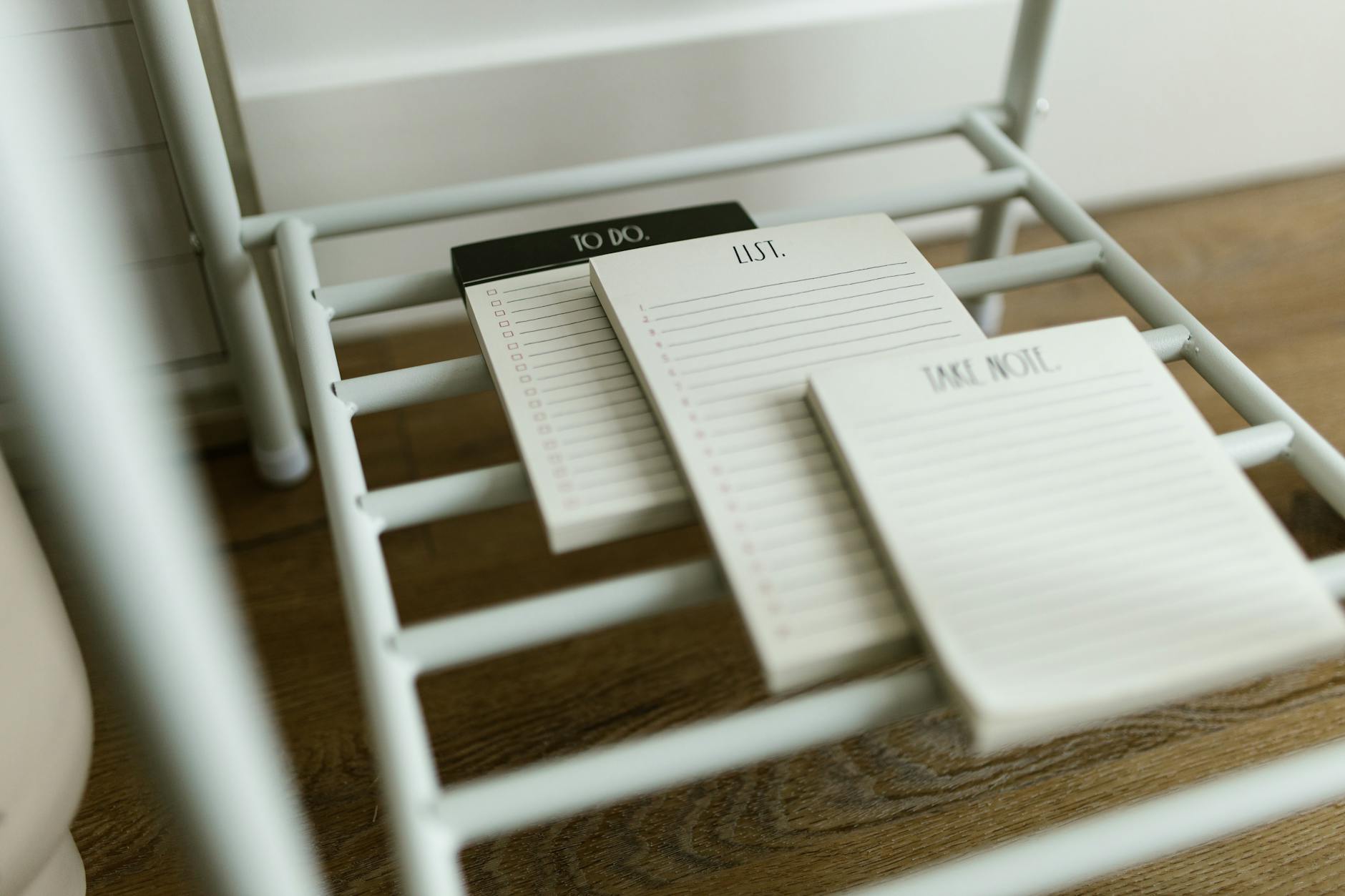
Many people find it hard to complete their daily work on time. Sometimes, the day ends before they finish important tasks. This happens because they try to remember everything or handle too many things at once. A work tracker can solve this problem easily.
A work tracker is a simple tool that helps you plan, record, and track your work. It improves focus and time management. Whether you are a student, employee, or freelancer, a productivity tracker can help you stay organized and complete tasks efficiently.
This article explains how using a work tracker can improve work productivity. It also includes practical tips and easy techniques to help you work smarter every day.
What Is a Work Tracker
A work tracker or productivity tracker is a tool that helps you record your daily activities. You can write down what you plan to do, how much time each task takes, and what you have finished.
You can use a paper notebook, a mobile app, or an online tracker. The goal is to help you stay focused and aware of your work progress.
You can use a work tracker to plan your daily goals, monitor ongoing projects, check deadlines, and see how much time each task takes. Over time, it helps you understand your work habits and find better ways to manage your day.
Why Work Productivity Matters
Work productivity means completing your tasks in a smart and efficient way. Being productive does not mean working all the time. It means making good use of your time and energy.
When you work productively, you finish tasks faster and feel less stressed. You also have more time to rest or do other things you enjoy. A productivity tracker helps you achieve this balance by keeping your schedule clear and manageable.
How a Work Tracker Improves Work Productivity
A work tracker can help you work better in many ways.
1. Keeps You Organized
When you have a list of tasks, it becomes easier to focus. You know what to do next without wasting time thinking about it. This makes your day more structured and productive.
2. Helps You Prioritize
Not every task is equally important. A productivity tracker helps you choose which tasks to complete first. By finishing the most important ones early, you stay in control and avoid last-minute stress.
3. Tracks Your Time
Many people underestimate how much time simple tasks take. A work tracker helps you note the time spent on each activity. After a few days, you can see patterns and adjust your schedule for better productivity.
4. Builds Accountability
When you record your work, you become more responsible for your progress. You can see what you have achieved and what still needs attention. This builds consistency and discipline.
5. Reduces Stress
A clear plan helps reduce confusion and anxiety. When your tasks are written and organized, your mind feels lighter. You can focus better without feeling overwhelmed.
6. Improves Focus
A productivity tracker allows you to focus on one task at a time. You can set specific time blocks for each activity. This method increases concentration and reduces distractions.
7. Helps You Reflect and Improve
At the end of the day or week, review your tracker. Look at what you completed and what took longer than expected. This reflection helps you improve your working style and plan better for the next week.
Types of Work Trackers
There are different ways to track your work depending on your preference.
- Paper Planner
You can use a simple notebook to write daily goals and mark completed tasks. It is easy to start and helps build the habit of planning. - Spreadsheet Tracker
You can make a table on your computer with columns for task name, time spent, and progress. This method works well for people who like structured tracking. - Digital Tools or Apps
There are many productivity tracker apps available. They remind you of deadlines, track your working hours, and show reports of your performance. - Daily Journal
If you prefer a personal approach, write about your day and note what you achieved. This helps you stay mindful of your time and growth.
Simple Tips to Use a Work Tracker Effectively
Here are some easy ways to make the most of your work tracker.
- Start Small
Begin with a few tasks each day. Once you get used to tracking, you can add more details like goals, time spent, and results. - Be Consistent
Update your tracker daily. It only takes a few minutes and helps you stay on top of your schedule. - Set Realistic Goals
Plan your day with tasks you can actually finish. Setting too many goals can make you feel tired or unproductive. - Use Colors or Labels
If your tracker allows it, use colors to mark tasks. For example, red for urgent tasks and green for long-term goals. This makes it easy to understand your priorities at a glance. - Review Your Progress
At the end of each week, take time to review what worked well. Make small changes if needed. Regular review keeps you improving. - Add Breaks
Include short breaks in your schedule. This prevents burnout and keeps your energy high throughout the day. - Avoid Multitasking
Focus on one task at a time. Multitasking can reduce accuracy and increase stress. A productivity tracker helps you manage one activity before starting another. - Celebrate Small Wins
When you complete a big goal or a tough task, take a moment to celebrate. Small rewards can keep you motivated and happy at work.
Techniques to Boost Work Productivity
Once you understand how to use a work tracker, you can try a few simple techniques to improve performance.
- Pomodoro Technique
Work for 25 minutes and then take a 5-minute break. After four sessions, take a longer break. This helps maintain focus and prevents fatigue. - Time Blocking
Divide your day into time blocks for specific tasks. For example, one hour for meetings, two hours for writing, and so on. This keeps your day organized. - Task Batching
Group similar tasks together. For example, answer all emails in one time slot instead of doing it throughout the day. This saves time and energy. - Goal Tracking
Add long-term goals in your tracker and divide them into small steps. This helps you stay motivated and ensures steady progress.
Benefits Beyond Productivity
A work tracker does more than improve work productivity. It also helps reduce mental stress and builds healthy work habits.
You gain better control over your time and create a balance between work and personal life. Tracking progress regularly also builds confidence and self-discipline.
Over time, you start noticing that your day feels more structured and your goals are easier to achieve. This clarity also boosts creativity because your mind stays calm and focused.
Common Mistakes to Avoid
Avoid making your work tracker too complicated. Do not add unnecessary details or too many categories. Keep it simple and easy to use.
Make sure to update your tracker daily. Skipping days can make it harder to stay consistent.
Also, avoid setting unrealistic deadlines that cause pressure. The goal of using a productivity tracker is to make your life easier, not more stressful.
Conclusion
A work tracker is a simple yet powerful tool that can change how you work. It helps you plan better, stay focused, and improve work productivity every day.
By tracking your tasks, you understand your working style and use your time more effectively. You feel more confident, more organized, and less stressed.
Start small with a few tasks and update your tracker daily. Review your progress and keep improving step by step. Over time, you will notice that you get more done in less time and with more satisfaction.
Remember, real productivity is not about doing more work. It is about doing the right work at the right time. A good work tracker helps you achieve exactly that.
Disclaimer
This article is for general informational purposes. It shares practical tips for improving work productivity using a work tracker or productivity tracker. It should not replace professional or workplace advice.