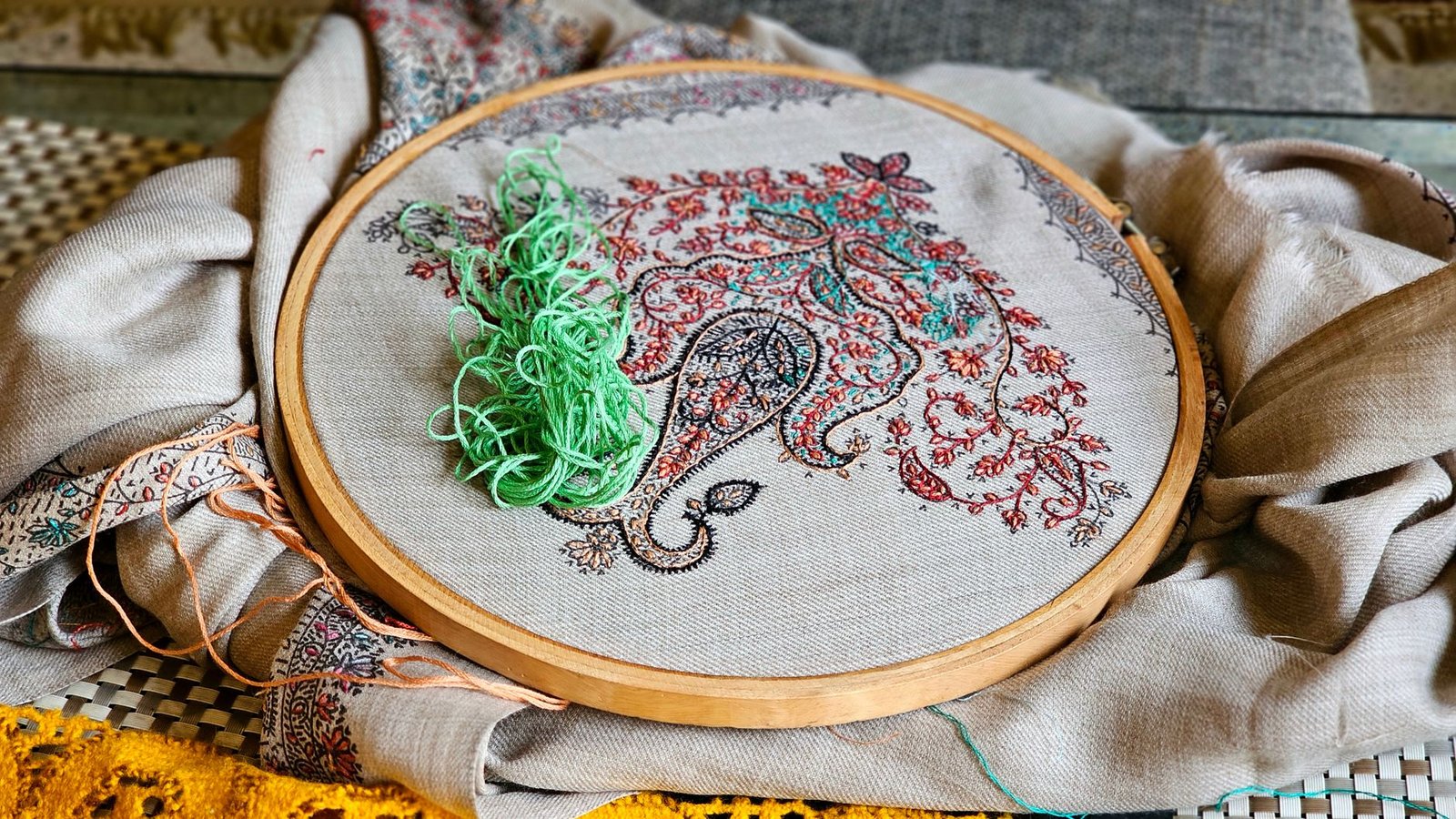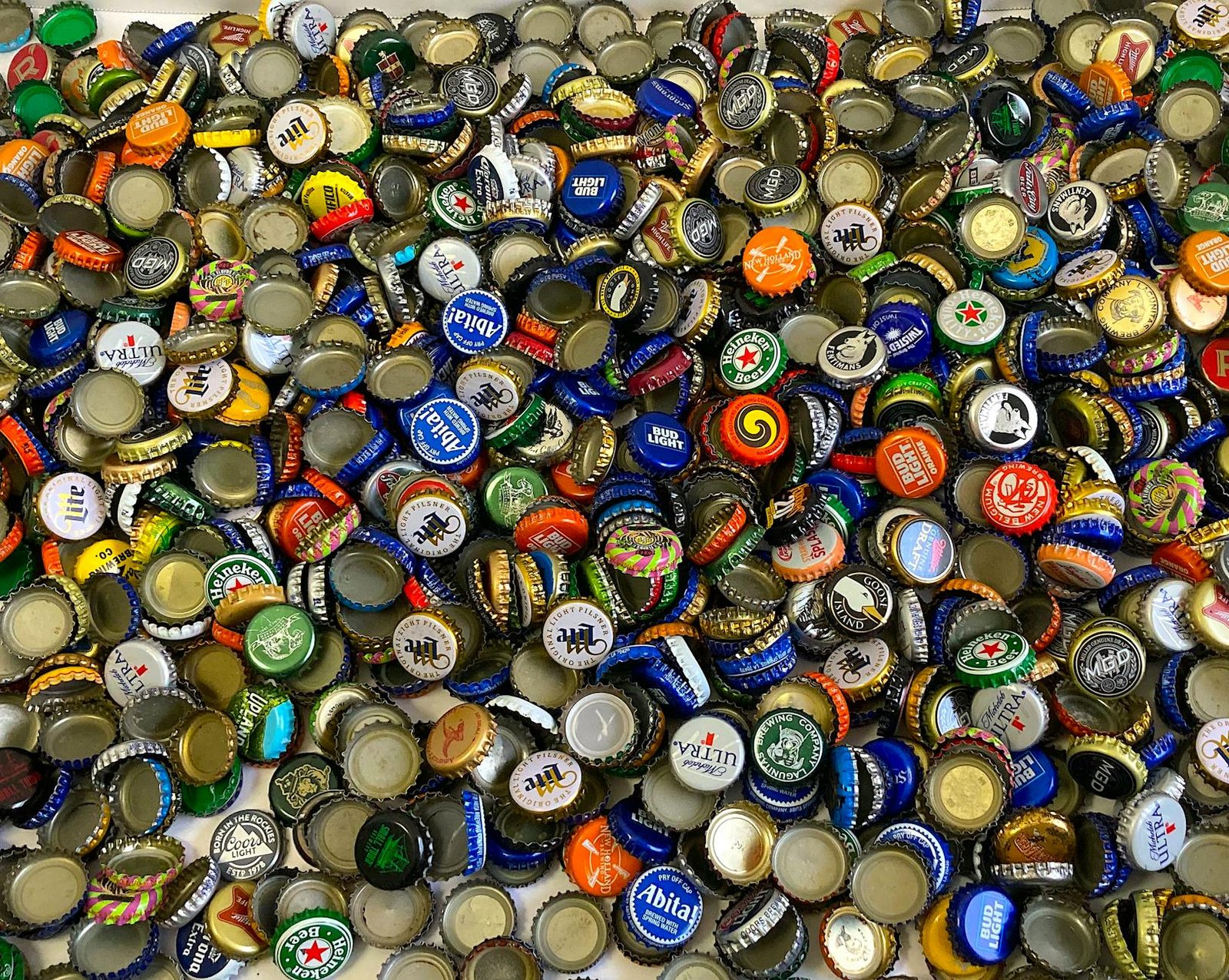
There is a quiet revolution happening in studios around the world. It does not announce itself with manifestos or grand exhibitions. It happens in the moment an artist picks up a piece of driftwood from a beach instead of buying a canvas, grinds a plant root into pigment instead of opening a tube of acrylic, or spends an afternoon at a recycling centre looking for materials the way another artist might browse an art supply shop. This is sustainable art. And in 2026, it has moved from the margins of the art world into one of its most vital and growing conversations.
More Than a Style, A Philosophy
Sustainable art is not a visual movement in the way impressionism or abstraction were visual movements. It does not produce a recognisable look. A sustainable artwork might be a delicate watercolour painted on handmade paper with pigments extracted from foraged berries. It might be a large-scale sculpture assembled from industrial plastic waste pulled from the ocean. It might be a textile installation woven from reclaimed fabric, or a painting on a board salvaged from a demolished building.
What these works share is not an aesthetic but a set of values. Sustainable art begins with the question of where materials come from, what they are made of, and what happens to them when the artwork eventually reaches the end of its life. It treats making as an ethical act as much as a creative one.
This is a significant shift. For most of art history, the materials of making were chosen for their visual and practical properties: the luminosity of oil paint, the permanence of bronze, the smoothness of stretched linen. The environmental cost of producing and disposing of those materials was, until relatively recently, rarely part of the conversation. It is now central to it.
The Problem with Conventional Art Materials
To understand why the sustainable art movement has momentum, it helps to know what conventional art materials actually involve.
Many standard oil paints contain solvents and chemical pigments derived from petroleum. Turpentine and mineral spirits, used to thin paint and clean brushes, release volatile organic compounds into the air of studios and eventually into water systems when disposed of carelessly. Some traditional pigments historically contained lead, cadmium, and cobalt, which remain present in many commercially available paints today and carry genuine toxicity risks for artists and for the environment.
Synthetic canvases are typically made from polyester, a plastic-derived material that does not biodegrade. Conventional adhesives, varnishes, and fixatives are often petroleum-based. Even paper, the most ordinary of art surfaces, carries an environmental history: commercial paper production is water-intensive and historically associated with significant deforestation and bleaching processes.
None of this means that making art with conventional materials is irredeemably harmful. But it does mean that the materials most artists reach for by default carry an environmental cost that is worth understanding, and increasingly, worth looking for alternatives to.
What Sustainable Artists Are Using Instead
The materials available to artists working with ecological values in mind have expanded considerably over the past decade. What was once a matter of compromise, accepting inferior quality in exchange for lower environmental impact, is less and less true. Many sustainable alternatives now match or exceed the quality of their conventional counterparts.
Natural and foraged pigments are among the most ancient and now newly relevant materials in an eco-conscious practice. Pigments have been made from plants, minerals, soil, and organic matter for as long as art has existed. Ochres and earth tones come directly from iron-rich clay and stone. Indigo, woad, and madder have been used for centuries to produce deep blues and reds from plant sources. Contemporary artists are revisiting and expanding this tradition, finding rich colour in unexpected places: walnut husks, onion skins, avocado pits, rust, charcoal, and clay gathered from local landscapes.
Reclaimed and upcycled materials form the foundation of many sustainable studio practices. The distinction between recycling and upcycling matters here. Recycling breaks a material down to be reprocessed; upcycling takes a material as it is and elevates it into something of greater value without industrial processing. An artist who paints on reclaimed floorboards is upcycling. An artist who melts down plastic bottles to cast new forms is working more closely with recycling principles. Both approaches divert material from waste streams and invest them with new meaning.
Common reclaimed materials in sustainable art practices include:
- Salvaged wood from demolished buildings, fallen trees, or discarded furniture
- Offcuts and end-of-roll fabric from textile manufacturers
- Reclaimed metal, wire, and industrial components
- Plastic waste, particularly ocean-collected plastic which also carries a powerful narrative
- Used paper, cardboard, and packaging materials
- Glass, ceramic fragments, and broken tiles
- Old books, maps, and printed materials
Plant-based and biodegradable binders and grounds are replacing petroleum-derived products in many studios. Linseed oil, walnut oil, and damar resin are traditional binders that are both effective and biodegradable. Rabbit-skin glue, used for centuries to prepare canvases, is a natural alternative to synthetic gesso. Homemade sizing from starch or plant derivatives prepares surfaces without synthetic chemicals.
Alternative fibres for canvases and textiles include hemp, jute, linen, and organic cotton. Hemp in particular has attracted attention as an art material. It requires less water and no pesticides to grow compared to conventional cotton, produces a strong, durable fibre, and has a long history as a canvas material before synthetic alternatives took over in the twentieth century.
Emerging biological materials represent the frontier of sustainable art. Mushroom mycelium, the root-like network of fungi, can be grown into stable, sculptural forms. Algae-based bioplastics and pigments are being developed and adopted. Bacterial processes are being explored to fix colour and create texture. These materials sit at the intersection of art, craft, and biology, and they point toward a future in which artworks might be genuinely compostable at the end of their lives.
Artists Leading the Way
Across the world, artists are building practices grounded in ecological values in ways that are visually compelling and conceptually rich.
Gabriela Sagarminaga, working from her atelier in the Basque Country of Spain, revives ancestral craft techniques using vegetable fibres to create sculptural textile works. Her practice connects contemporary space-making with traditional material knowledge, producing pieces that carry a quality of cultural continuity that synthetic materials simply cannot replicate.
Anastassia Elias, a French artist, creates intricate miniature scenes entirely from discarded toilet paper rolls. Her work raises awareness about sanitation and waste through a material that most people discard without thought, and the delicacy of her output makes the choice of material all the more striking.
Carolina Caycedo, a Colombian artist, creates installations that explore relationships between water, community, and land using found materials and natural processes. Her work sits within a long tradition of artists whose practice is inseparable from environmental and social advocacy.
Alexandre Côté, a Canadian painter, has produced series made entirely from materials sourced at local recycling centres. Every canvas, every support, every tube of material in his studio has a previous life. The work is not about that provenance in a didactic sense. It is simply what his practice is built on.
These artists are not a niche. They represent a direction that is attracting serious critical attention, growing collector interest, and institutional support from galleries and museums that are themselves rethinking their own environmental practices.
The Gallery and Institutional Shift
The sustainable turn in art-making is not happening only in individual studios. Galleries and cultural institutions are rethinking their own environmental footprint in meaningful ways.
Many contemporary galleries in 2026 are calculating the carbon cost of exhibitions: the transport of works, the energy used to light and climate-control spaces, the materials used in installation and display. Some are requiring artists to provide documentation of their materials’ sources and environmental impact as part of the submission process. Others are committing to using only reclaimed or sustainably sourced materials in their own fit-outs and exhibition builds.
Art fairs, historically associated with significant waste in the form of temporary stand construction, printed materials, and logistics, are under growing pressure from exhibitors and visitors to address their environmental impact. Several major fairs have introduced sustainability guidelines and pledges, with varying degrees of rigour, but the direction is clear.
The institutional shift matters because it sends a signal to the wider market about what values are taken seriously. When a major gallery calculates the carbon footprint of a show, or when a collector asks an artist about the provenance of their materials, it changes what artists are asked to think about and respond to.
The Beauty of Constraint
One of the most interesting things about sustainable art practice is how constraints become creative forces. When an artist decides to work only with materials they can source locally, or only with things that would otherwise become waste, the limitation focuses the imagination rather than restricting it.
This is not a new idea. Artists have always worked within constraints, whether imposed by poverty, geography, tradition, or deliberate choice. What changes is the origin and meaning of the constraint. A sustainable practice is constrained by values, and that tends to produce work with a distinctive quality of intentionality.
The material carries its history. A plank of old timber holds the grain, the nail holes, the weathering of its previous life. A piece of ocean plastic carries the colour and shape of its years at sea. An earth pigment carries the geology of the place it was dug from. These are not disadvantages. They are the material equivalent of depth.
What Collecting Sustainably Means
For buyers and collectors, sustainable art raises a set of questions that differ from the usual concerns of acquisition.
Here is what eco-conscious collectors are increasingly asking:
- What are the materials? Where did they come from and how were they produced?
- What is the work’s longevity? Some natural materials age differently from conventional ones. This is worth understanding before purchase.
- How was it shipped? Transport is a significant part of the carbon cost of acquiring art. Choosing works by artists working locally or regionally reduces this considerably.
- What happens at end of life? A work made from biodegradable materials has a different future than one made from synthetic compounds. For some collectors, this is relevant; for others, it is less so.
- Does the artist’s practice align with their stated values? Greenwashing exists in art as in every other field. An artist who describes their practice as sustainable while using toxic conventional materials in significant quantities is worth examining carefully.
A Different Way of Valuing Making
At its deepest level, sustainable art is a renegotiation of what making means. It asks the artist to think not just about what the work looks like or what it communicates but about what it is made of, where those materials came from, and what trace the act of making leaves on the world beyond the studio.
This is not a small shift. For centuries, the dominant story of art-making has been one of transformation: the artist takes inert material and, through skill and vision, produces something of lasting value. Sustainable art does not abandon that story. It enriches it by asking that the material itself be valued, respected, and chosen with care.
In a moment when the physical world is asking humanity to pay much closer attention to what it consumes and discards, art has something distinct to offer. Not answers, but a way of modelling attention. A way of showing, through the choices made in a studio, that making things beautifully and making things responsibly do not have to be in tension.
Often, it turns out, they are the same act.
Disclaimer: This article is intended for general informational and inspirational purposes only. Artist names and practices are referenced based on publicly available sources and are presented in good faith as examples of broader trends.