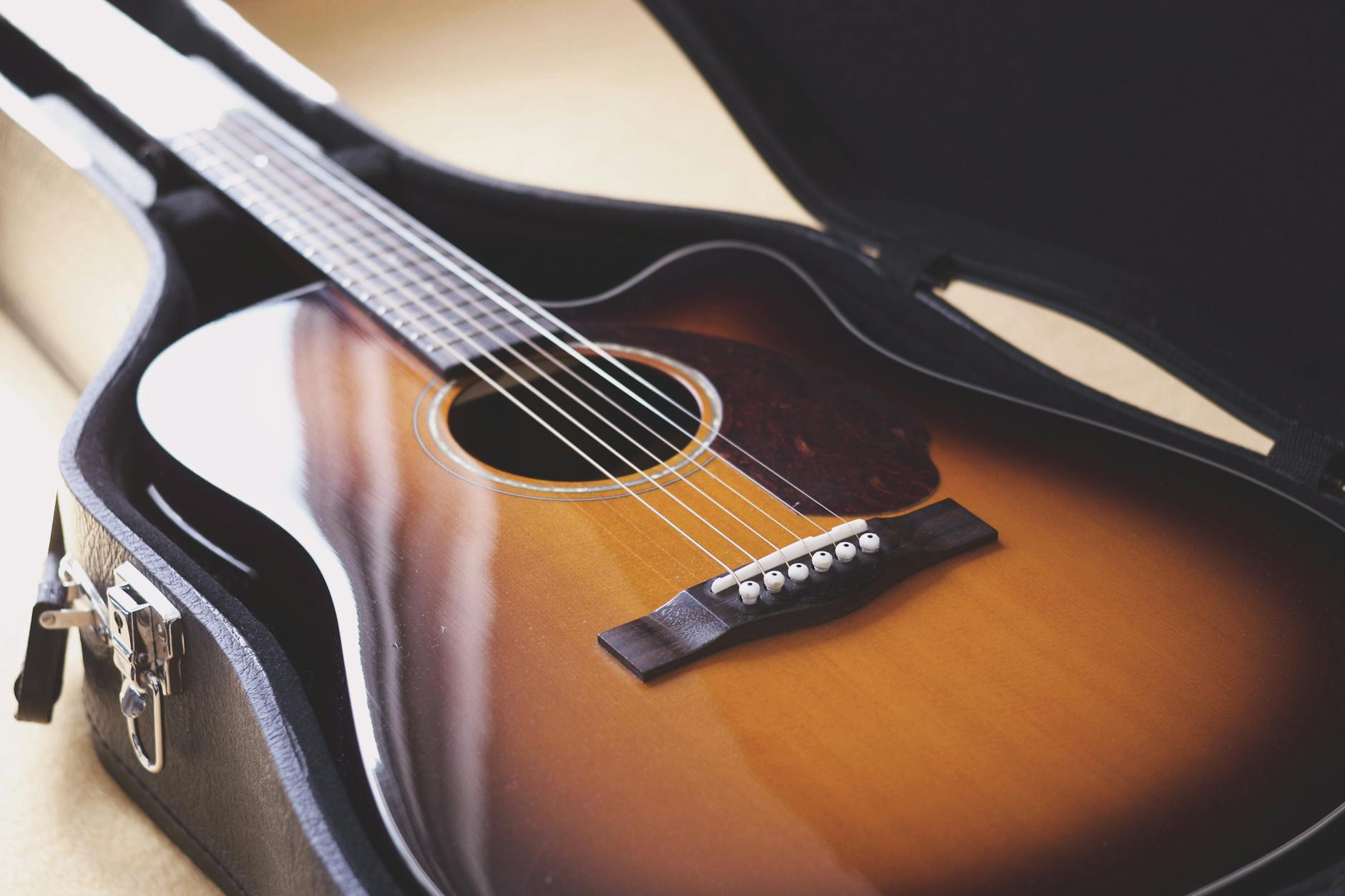
Playing the guitar is one of the most popular hobbies in the world. It is affordable, enjoyable, and easy to start. Whether you want to play your favorite songs, sing along, or create your own music, the guitar is a great choice. However, most beginners get confused when buying their first guitar. There are many types of guitars, and each one serves a different purpose.
This article will help you understand the different types of guitars, how they are used, and how to choose the best guitar for beginners. You will also find useful tips on how to buy your first guitar, what to avoid, and how to make a smart decision as a hobby learner.
- Why Choosing the Right Guitar Matters
- Main Types of Guitars
- Acoustic Guitars
- Electric Guitars
- Bass Guitars
- Other Types of Guitars
- How to Choose the Right Guitar as a Beginner
- Common Mistakes Beginners Make
- Tips to Test a Guitar Before Buying
- Best Type of Guitar for Beginners
- Care Tips for Your First Guitar
- Final Thoughts
Why Choosing the Right Guitar Matters
Your first guitar should make learning fun and easy. A wrong guitar can discourage you. It may feel heavy, hurt your fingers, or sound dull. A good guitar, on the other hand, inspires you to play every day. It stays in tune, feels comfortable, and sounds pleasant.
Many people quit learning the guitar within the first month. The main reason is not the difficulty of music but a bad instrument choice. That is why it is important to learn about guitar types before buying one.
Main Types of Guitars
Guitars are generally divided into two main groups:
- Acoustic Guitars
- Electric Guitars
Within these, you will also find subtypes. Let us explore each category in detail.
Acoustic Guitars
Acoustic guitars produce sound without electricity. They are simple, portable, and common among beginners. You can just pick one up and start playing. No cables or amplifiers are needed.
Types of Acoustic Guitars
1. Classical Guitar (Nylon String Guitar)
A classical guitar has nylon strings. The sound is soft and warm. It is used in classical music and fingerstyle playing. The neck is wider compared to other guitars. It is gentle on the fingers, which makes it a popular choice for young beginners.
Best for: Soft music, classical music, fingerstyle
Who should buy: Beginners who want a mild tone and comfortable strings
2. Steel-String Acoustic Guitar
This is the most common guitar for beginners. It has steel strings that produce a bright and loud sound. Many people use it to play pop, rock, folk, and Bollywood songs. The body is stronger than classical guitars. It is slightly harder on fingers in the beginning, but players get used to it within a week or two.
Best for: Bollywood, pop, country, rock, and folk
Who should buy: Hobby learners, singers, self-learners
3. Electro-Acoustic Guitar
This is a normal acoustic guitar with a built-in pickup. It can be connected to an amplifier or speaker for louder sound. It is ideal for live performances, stage singing, or small events. Beginners can skip this type unless they plan to perform soon.
Best for: Stage performance and recording
Who should buy: Singers and performers
Electric Guitars
Electric guitars need an amplifier to produce sound. They are often used in rock, metal, blues, and jazz. The strings are light and easy to press. The neck is thin, so it feels comfortable for long practice sessions. However, this type of guitar is better for those who are sure they want to learn music seriously.
1. Solid-Body Electric Guitar
This is the most common style of electric guitar. It has no hollow space inside. It can handle distortion and high volume. It is widely used in rock and metal.
2. Semi-Acoustic Guitar
Also called semi-hollow guitar, it has some hollow space inside. It produces a balanced tone suitable for blues and jazz.
Bass Guitars
Bass guitars are used to play low notes. They give rhythm and depth to music. A bass guitar has four or sometimes five strings. It is not recommended for absolute beginners unless they want to become a bassist. Most hobby learners prefer acoustic or electric guitars.
Other Types of Guitars
There are also some specialty guitars:
| Guitar Type | Description |
| 12-String Guitar | Rich, full sound with paired strings |
| Travel Guitar | Small size for portability |
| Resonator Guitar | Metal body for slide and country music |
| Archtop Guitar | Used in jazz and blues |
| Flamenco Guitar | Used in Spanish music |
How to Choose the Right Guitar as a Beginner
Here is a simple and practical guide to help you choose your first guitar:
Step 1: Decide Your Music Style
Your music choice decides your guitar type.
- For songs, pop, and soft rock: Steel-string acoustic guitar
- For soft fingerstyle music: Classical guitar
- For rock and metal: Electric guitar
- For recording or stage: Electro-acoustic guitar
Step 2: Choose the Right Size
Guitars come in sizes based on age and height.
| Age | Ideal Guitar Size |
| 5–8 years | 1/2 size |
| 9–12 years | 3/4 size |
| 13+ years or adults | Full size |
Step 3: Check Guitar Comfort
When you hold the guitar:
- The neck should feel easy to grip.
- Strings should not be too high from the fretboard.
- It should feel light enough to hold.
Step 4: Set Your Budget
A good beginner guitar should not be too expensive. It should offer good build and sound quality. Cheap guitars often cause tuning and sound issues. Choose a trusted brand if possible. Many reliable beginner models are available at affordable prices.
Step 5: Buy Basic Accessories
Along with the guitar, you should also buy:
- Tuner
- Extra strings
- Capo
- Plectrums
- Strap
- Guitar bag
These items will help you practice regularly and maintain your guitar.
Common Mistakes Beginners Make
Many first-time buyers make simple mistakes. Here are some to avoid:
- Buying a guitar only based on looks
- Choosing a cheap instrument with poor build
- Ignoring comfort and neck size
- Forgetting to check tuning stability
- Not asking for string height adjustment
- Buying an electric guitar without an amplifier
- Not testing the guitar before purchase
Tips to Test a Guitar Before Buying
- Press a few strings. They should not hurt too much.
- Play chords. There should be no rattling sound.
- Check tuning. The guitar should stay in tune after light playing.
- Inspect the body. It should not have cracks or weak joints.
- Try open chords like C, G, and D. They should sound clear.
Best Type of Guitar for Beginners
If your goal is learning guitar as a hobby, the best choice is a steel-string acoustic guitar. It is simple, affordable, and suitable for most music styles. You can learn chords, rhythm, and songs easily. It is also great for self-learning using YouTube or learning apps.
If you are a child or have sensitive fingers, a classical guitar is also a good option. It has soft nylon strings that feel gentle.
Choose an electric guitar only if you love rock music or want to explore guitar as a long-term skill.
Care Tips for Your First Guitar
- Keep your guitar in a bag when not in use.
- Clean strings after practice to prevent rust.
- Change strings every 3-4 months.
- Avoid exposing the guitar to direct sun or rain.
- Use a tuner to keep it in tune.
Final Thoughts
Learning guitar is a rewarding experience. It reduces stress, improves focus, and brings joy. Choosing the right guitar is the first step toward a successful musical journey. Keep your choice simple as a beginner. Start with a reliable acoustic guitar. Practice daily. Learn basic chords. Do not give up when your fingers hurt. With time, your skills will grow and your sound will improve.
Disclaimer
This article is for general information and educational purposes. Guitar models and prices vary by region and brand. Always test a guitar in person before buying.