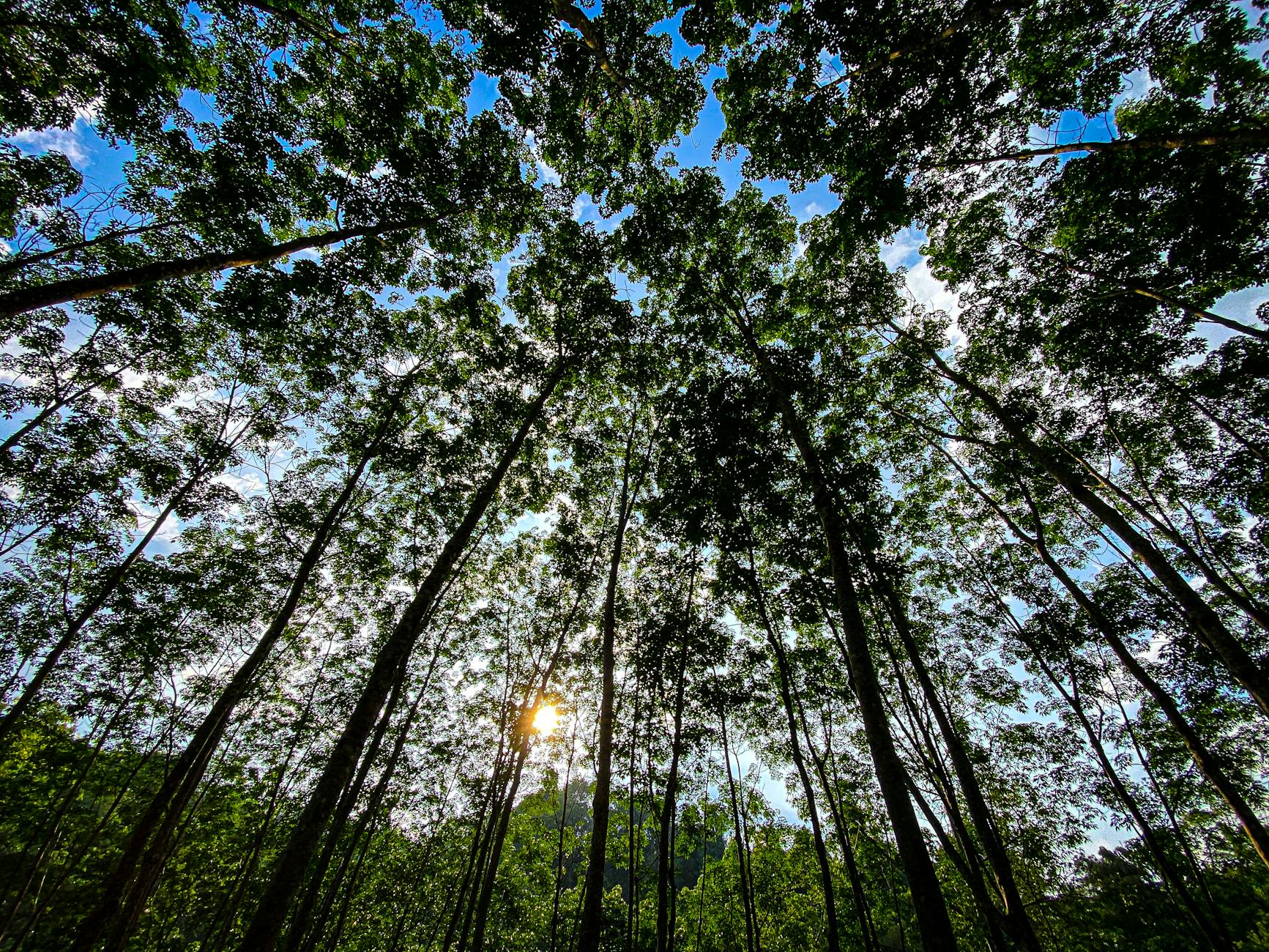
Trees bring beauty, shade, fresh air, and a sense of calm to every place they grow. They are essential for the planet and play a key role in improving our environment.
From forests to city lanes and balconies filled with potted plants, trees support wildlife, reduce heat, and add charm wherever people live. Today, more people want to make room for trees even in small homes, apartments, and compact gardens. Understanding different types of trees helps you choose the right ones and care for them better.
This guide explains the main tree categories using simple language. It also offers practical tips for growing trees in small spaces, so even compact homes can enjoy greenery.
Why Knowing Tree Types Helps
Every tree has its own personality. Some stay green all year. Some bloom beautifully. Others give fruit, timber, or wide shade. Picking the right tree makes gardening easier and ensures long-lasting results. When you know a tree’s size, growth speed, and care needs, you can plan well—especially in tight spaces.
Understanding tree types helps with:
- Making the most of balcony or terrace gardens
- Choosing trees suited to your climate
- Supporting birds, bees, and butterflies
- Reducing indoor and outdoor heat
- Improving the overall look of your home
1. Evergreen Trees
Evergreen trees keep their leaves all year. They are perfect if you want consistent greenery and privacy.
1.1 Pine
Pine trees grow tall with needle-like leaves. While the large varieties need open space, dwarf pine species can grow in pots. These compact versions are great for balconies and terraces.
1.2 Cedar
Cedar trees are known for their fragrant wood and beautiful shape. Dwarf cedar varieties are slow-growing and suitable for containers.
1.3 Spruce
Spruce trees are common holiday favourites. Many small cultivars are ideal for pots and can be shaped easily. They remain a lovely green even in cooler seasons.
Why Evergreens Are Great:
They look fresh all year, block unwanted views, and tolerate different weather conditions.
2. Deciduous Trees
Deciduous trees shed leaves in one season and regrow them later. This natural cycle adds variety to your surroundings.
2.1 Oak
Oaks are strong and long-living. While the full-sized trees need space, many ornamental oak varieties remain compact and fit into medium-sized gardens.
2.2 Maple
Maple trees are famous for their autumn colours. Small Japanese maple varieties thrive in pots and need partial shade, making them great for small urban gardens.
2.3 Birch
Birch trees have a unique white bark and delicate leaves. Dwarf birch varieties work well in containers when given good sunlight.
Why Choose Deciduous Trees:
They offer seasonal beauty, allow winter sunlight to pass through, and grow well in temperate climates.
3. Flowering Trees
Flowering trees add colour and fragrance to homes. Many varieties remain small and can be grown in containers.
3.1 Cherry Blossom
They bloom beautifully in spring. Compact ornamental cherry trees with shallow root systems fit well in medium-sized planters.
3.2 Jacaranda
Jacaranda trees produce purple blooms. Choose dwarf jacaranda types for terraces or front yards.
3.3 Magnolia
Magnolias have large, fragrant flowers. Smaller varieties grow slowly and are excellent for small gardens.
Why Flowering Trees Stand Out:
They attract birds, butterflies, and create a cheerful space without needing a lot of ground area.
4. Fruit Trees
Fruit trees are practical and rewarding. Many modern varieties stay small and produce fruit even when grown in pots.
4.1 Mango
Dwarf mango trees can be grown in large containers and produce fruits after a few years. They love sunlight and well-drained soil.
4.2 Apple
Columnar apple trees grow vertically instead of spreading wide. They are ideal for balconies, terraces, and small courtyards.
4.3 Orange
Dwarf citrus trees, including oranges, lemons, and limes, thrive in pots. They stay green year-round and give both fragrance and fruit.
Why Fruit Trees Are Worth It:
You get fresh produce, save money, and enjoy the joy of harvesting from your own home.
5. Shade Trees
Shade trees block heat, improve comfort, and make outdoor spaces cooler. Many large shade trees have smaller versions for compact homes.
5.1 Banyan (Dwarf Varieties)
While full banyan trees are massive, bonsai banyan versions make stunning indoor and balcony plants.
5.2 Neem
Young neem trees can grow in pots for the first few years. They require sunlight and are known for health benefits.
5.3 Rain Tree
Miniature rain tree bonsai varieties provide the same beauty of the larger tree but in a compact form.
Why Shade Trees Matter:
They regulate heat naturally, reduce indoor temperatures, and create pleasant corners for relaxation.
6. Coniferous Trees
Conifers produce cones and thrive in cooler or temperate climates. They are evergreen and offer a structured, elegant look.
6.1 Fir
Small fir varieties grow neatly in pots and can be shaped as decorative plants.
6.2 Cypress
Columnar cypress trees grow straight and narrow, making them ideal for tight spaces or entryways.
6.3 Redwood (Dwarf Types)
Mini redwood trees can live in containers for several years and add a unique charm to gardens.
Why Coniferous Trees Work Well:
They maintain a clean form, need low maintenance, and look attractive throughout the year.
7. Tropical Trees
Tropical trees love warm temperatures and sunlight. Several tropical species are available in compact varieties suitable for small spaces.
7.1 Coconut (Dwarf Coconut)
Dwarf coconut trees grow shorter and can be planted in larger pots or small yards.
7.2 Teak
While full teak trees need space, young teak plants are often grown decoratively in pots.
7.3 Mahogany
Mahogany seedlings make attractive container plants and can later be replanted if space increases.
Why Tropical Trees Are Beneficial:
They handle heat well, provide valuable timber, and support diverse bird and insect life.
8. Medicinal Trees
Some trees offer natural healing properties and are useful in home gardens.
8.1 Arjun
Arjun plants grow well in containers for several years. They need sunlight and moderate watering.
8.2 Bael
Bael trees are hardy and produce fruit with medicinal benefits. Compact versions are suitable for home gardens.
8.3 Eucalyptus
Dwarf eucalyptus varieties grow quickly and have aromatic leaves. They help keep mosquitoes away and make your garden smell fresh.
Why Medicinal Trees Are Useful:
They support natural remedies, attract pollinators, and enhance the quality of air around your home.
How Trees Improve Daily Life
Trees do more than decorate a space. They reduce heat, absorb pollution, shelter birds, and ease stress. Even one small tree on a balcony can make a home cooler and brighter. In crowded cities, trees reduce noise and improve mental health. In rural areas, they support farming and provide fruits, shade, and wood.
Some major benefits include:
- Cleaner air and more oxygen
- Better climate balance
- Less soil erosion
- More biodiversity
- Cooler surroundings
Practical Tips to Grow Trees in a Small Space
Not everyone has a large yard, but small homes can still enjoy the beauty of trees. Here are simple, practical tips:
1. Choose Dwarf or Compact Varieties
Many trees come in miniature versions. These are designed for small gardens and patios.
2. Use the Right Pot Size
A sturdy container with good drainage is essential. Large pots help the roots grow properly.
3. Give Enough Sunlight
Most trees need bright light. Place your potted tree where it receives at least 4–6 hours of sunlight.
4. Water Smartly
Avoid over-watering. Check the top layer of soil before you water again. Use mulching to retain moisture.
5. Prune Regularly
Pruning controls height, encourages new growth, and keeps the tree healthy.
6. Use Quality Soil Mix
Choose a lightweight mix designed for containers. Add compost for nutrition.
7. Rotate Pots
Turning the pot every few weeks ensures even growth and prevents leaning.
8. Check for Pests
Small spaces can attract pests easily. Inspect leaves often and use natural remedies when needed.
9. Support with Stakes
Some trees need support when young. Stakes help them grow straight.
10. Repot When Needed
Every 2–3 years, shift the tree to a slightly bigger pot to encourage healthy growth.
With these steps, even a small balcony or terrace can become a lush mini-garden.
Conclusion
Trees make every space healthier and more pleasant. Whether evergreen, flowering, fruit-bearing, or medicinal, each type has something special to offer. Understanding different tree categories helps you choose the right species for your home, especially when space is limited. With the right care, even a small pot on a balcony can become a thriving green companion. When we plant trees, we contribute to cleaner air, cooler surroundings, and a better future for everyone.
Disclaimer
This article provides general information on tree types and home gardening. Growing conditions can vary based on climate, soil, and maintenance. For specific guidance, consult a local gardening expert or horticulturist.