Art and design in 2025 are all about combining beauty with meaning. Artists and designers are turning to natural materials, handmade details, and timeless styles to create inspiring spaces and visuals. This article highlights five simple yet powerful art and design ideas and trends you’ll see more of this year, along with the materials and skills needed to try them yourself.
Creative Art Trends to Explore in 2025
Art in 2025 is about being mindful and expressive. It is about being connected to nature, tradition, and sustainability. Whether you’re starting out or want to try something new, these art and design ideas come with simple tools, clear examples, and creative use cases to help you begin.
1. Mosaic Revival
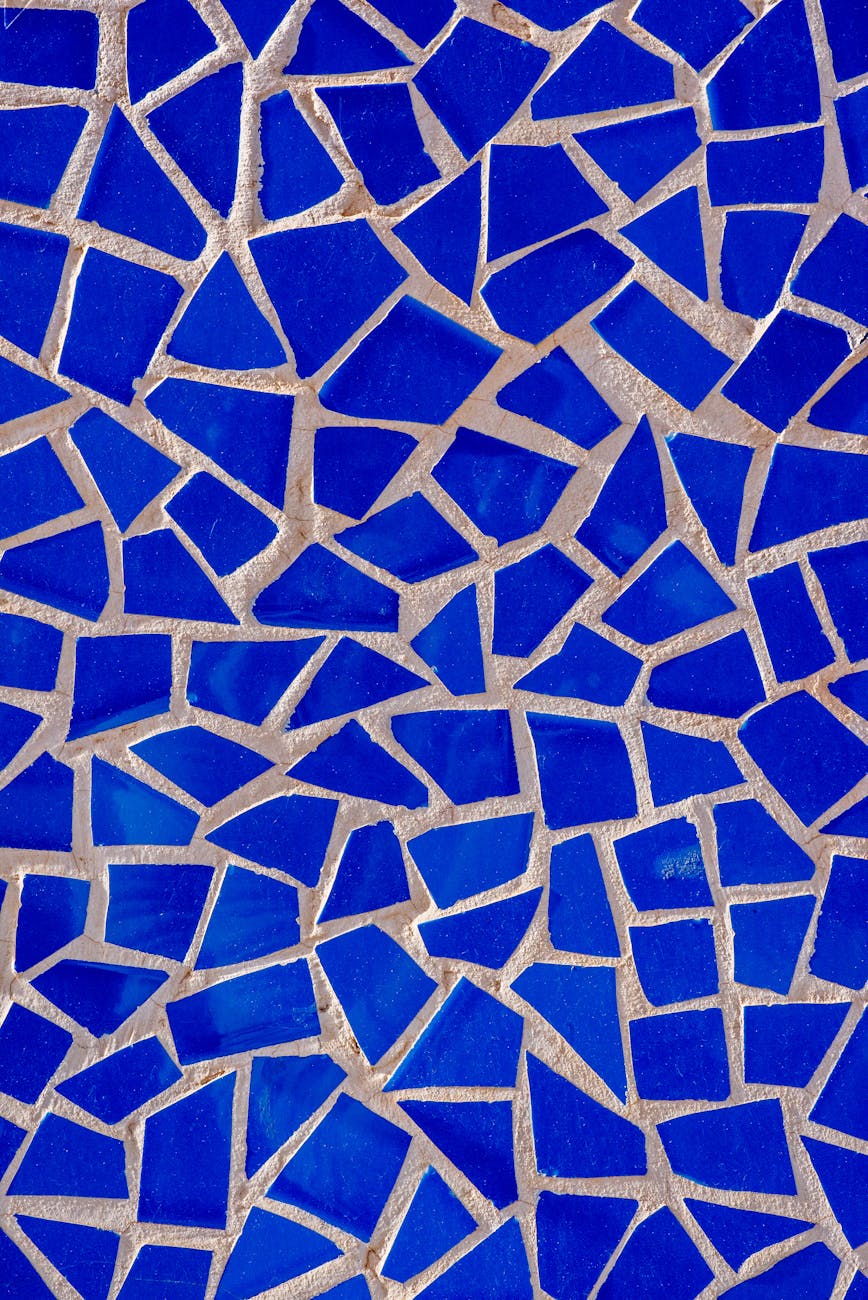
Mosaics are coming back with bold designs and fresh ideas. This art form uses small pieces like tiles, glass, or stones to create pictures or patterns. Today’s mosaics are not just for walls, they’re everywhere, from tabletops to flower pots.
Materials Needed:
- Ceramic tiles (broken or cut into shapes)
- Colored glass or mirrors
- Small stones or pebbles
- Adhesive glue and grout
How to Use the Materials:
Start with a wooden tray. Arrange tile pieces into a pattern like a sun, flower, or abstract shape. Use tile glue to stick the pieces. Once dry, fill the gaps with grout. Wipe off the extra grout with a wet cloth.
Use Cases:
- Decorate mirrors, trays, or photo frames
- Create mosaic stepping stones for gardens
- Make personalized nameplates or coasters
Example:
Use blue and white tiles to make a wave pattern on a plant pot. It adds color and a handmade touch to your space.
2. Stained Glass in Restaurants and Cafe
Stained glass brings light, color, and beauty to any space. It works well in homes too, especially near windows, light panels, or as hanging art. Modern stained glass often has geometric shapes or minimal patterns that fit any style.
Materials Needed:
- Colored glass sheets
- Copper foil or lead came
- Soldering tools and flux
- Glass cutter, gloves, and goggles
How to Use the Materials:
Sketch your design on paper. Cut colored glass into pieces to match your drawing. Wrap each piece in copper foil and place them together. Use solder to join the pieces.
Use Cases:
- Window panels that catch the sunlight
- Hanging sun catchers or nightlights
- Decorative lamp covers or wall panels
Example:
Make a simple stained glass sun catcher with yellow, orange, and red triangles arranged like a rising sun. Hang it near your kitchen window.
3. Biophilic Design in Art Spaces
Biophilic design uses nature to create calm, fresh spaces. You don’t have to be an expert gardener, just a few plants and natural textures can make a big difference. This trend is popular in studios, homes, and cafés.
Materials Needed:
- Indoor plants (like pothos, peace lily, or snake plant)
- Bamboo or reclaimed wood pieces
- Jute, clay pots, and eco-friendly paint
- Natural light sources or soft lamps
How to Use the Materials:
Use wooden planks to build a low shelf. Place plants in handmade clay pots. Add soft lighting and use earth-tone paints to create a warm mood. Jute mats or hanging planters also add texture.
Use Cases:
- Design a peaceful reading or art corner
- Decorate a gallery wall with clay and wood art
- Make planters or frames from bamboo and jute
Example:
Create a wall hanging using a bamboo stick, jute ropes, and small clay bells. Hang it above a desk or bed for a natural, calming feel.
4. Recycled Art for Eco-Friendly Creativity
Recycled art is all about turning waste into beauty. This form of art helps the planet and gives new life to old items. It’s great for school projects, home decor, or even exhibitions. Recycled art is one of top art and design ideas because it also helps with sustainability efforts.
Materials Needed:
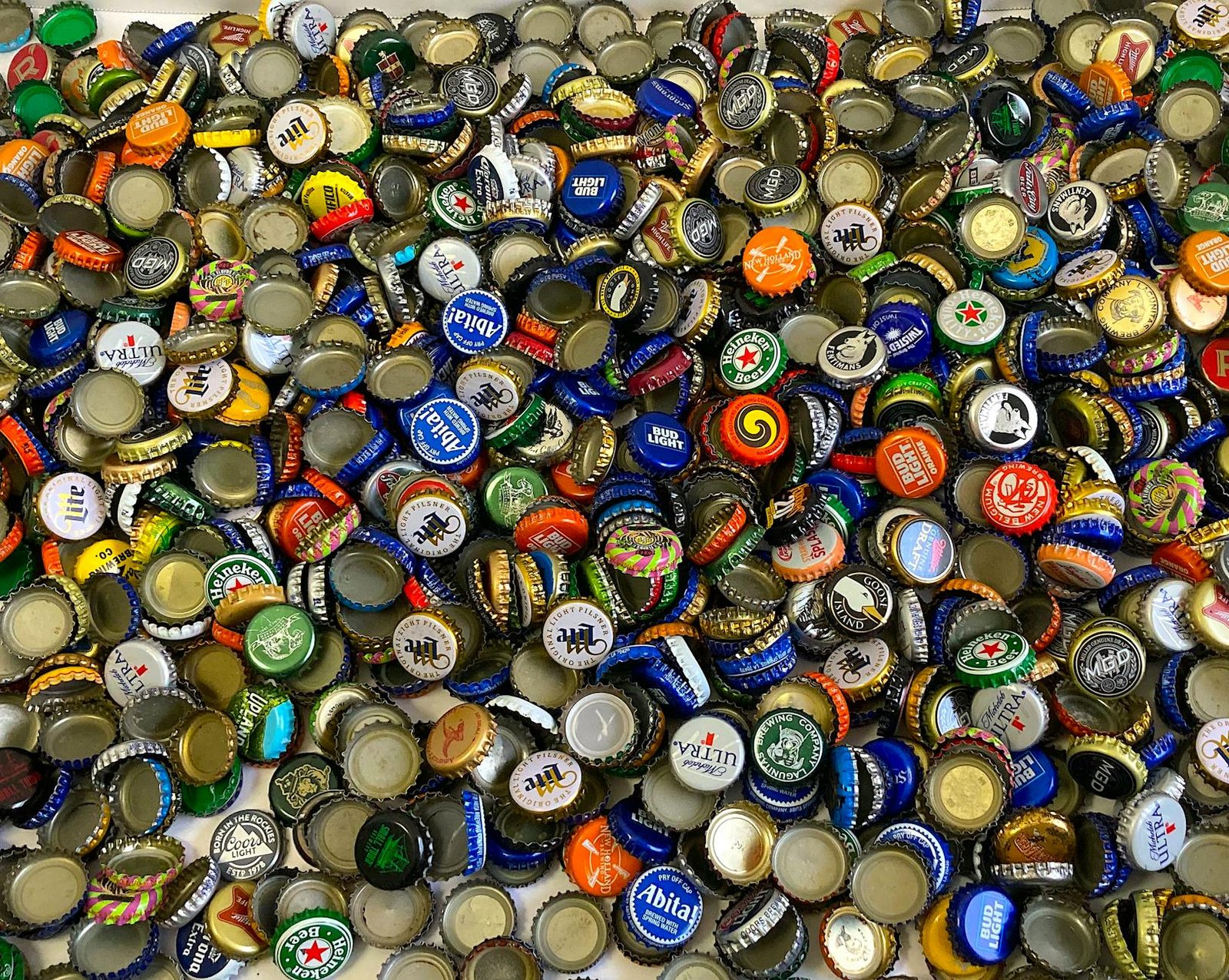
- Old bottle caps, wires, cardboard, or broken ceramics
- Plastic packaging, scrap wood, and paper rolls
- Strong glue, scissors, and safety gloves
- Mounting boards or frames
How to Use the Materials:
Collect safe-to-use junk items. Plan a design. For example, a city skyline using scrap wood or a fish made from metal caps. Glue the parts onto a strong board. Paint or leave it raw for a natural look.
Use Cases:
- Make wall art from plastic spoons or used keys
- Create pen holders or vases from cans and bottles
- Build animal figures using cereal boxes and wires
Example:
Use old bangles, broken glass, and bottle caps to create a peacock wall art piece for your living room. It’s colorful, meaningful, and made from waste.
5. Minimalist Line Art
Minimalism is a trending idea that helps de-clutter. Minimalist line art is simple but powerful. One line, with no shading or color, can show deep emotion or meaning. It’s trending in modern homes, digital spaces, and even tattoo design.
Materials Needed:
- Drawing paper or canvas
- Fine ink pens, markers, or digital drawing tablets
- Eraser and light pencil for sketching
How to Use the Materials:
Sketch a basic shape like a face or flower in pencil. Then draw it using a single, clean line without lifting the pen. If you use a tablet, explore apps like Procreate or Adobe Fresco.
Use Cases:
- Frame line art for home or office decor
- Turn your drawings into digital prints or T-shirts
- Use as tattoo ideas or personal logos
Example:
Draw a single-line rose and print it on tote bags or notebook covers. It’s stylish, modern, and easy to recreate in many ways.
Final Thoughts
These five art trends blend creativity, nature, tradition, and sustainability, perfect for artists of all skill levels. Whether you’re reviving a classic like mosaic or turning trash into treasure with recycled art, 2025 is all about making meaningful, beautiful things with what you have. Pick one and start creating your own masterpiece today.