Waterfalls rank among nature’s most breathtaking displays of power and beauty. They vary dramatically in height, width, water volume, and setting. A truly comprehensive list of the world’s greatest waterfalls cannot be limited to a single measure. Height alone tells one story. Volume tells another. Width and accessibility create different rankings entirely. This guide presents 25 of the world’s most remarkable waterfalls, selected based on scale, visual impact, accessibility, and the unique experiences they offer.
25 Waterfalls To Explore On Your Next Travel
1. Tugela Falls, South Africa Height: 948 metres across five separate drops Location: Drakensberg Mountains, Royal Natal National Park Tugela stands as the world’s tallest waterfall by combined measurement, with five distinct free-leaping sections flowing down a nearly vertical mountainside. The main drop is approximately 614 metres. Access requires moderate hiking in the Royal Natal National Park during the rainy season when water flow is consistent.
2. Yosemite Falls, United States Height: 739 metres across three sections Location: Yosemite Valley, California The tallest waterfall in North America, Yosemite consists of three dramatic drops tumbling down granite cliffs. The upper fall alone drops 436 metres. Accessible via multiple trails and viewpoints, making it one of the most visited major waterfalls in the world.
3. Dudhsagar Falls, India Height: 310 metres in four tiers Location: Western Ghats, Goa The name translates as “Sea of Milk,” referring to the waterfalls milky appearance as water tumbles from high altitude. Access involves trekking through dense tropical forest. Best visited during monsoon season from June through September when water flow reaches its peak.
4. Staubbach Falls, Switzerland Height: 305 metres Location: Lauterbrunnen Valley, Jungfrau region Water often evaporates before reaching the ground, creating mist that gives the waterfall its name, which means “dust stream.” This ethereal appearance makes it visually unique. Accessible via the scenic Lauterbrunnen Valley, a destination for hiking and mountain scenery.
5. Wallaman Falls, Australia Height: 268 metres with a single main drop Location: Wallaman Creek, Queensland Australia’s tallest permanent waterfall descends through a series of cascades into a deep pool. Access requires a scenic drive through rainforest, with walking trails leading to viewing areas and a swimming hole at the base.
6. Mardalsfossen, Norway Height: 655 metres across multiple drops Location: Romsdalshorn, Trollwall region One of Scandinavia’s highest waterfalls, fed by glacial meltwater. The falls’ appearance changes dramatically between seasons as water volume fluctuates. Accessible via mountain hiking routes in the spectacular Trollwall region.
7. Hannoki Falls, Japan Height: 497 metres Location: Toyama Prefecture Japan’s tallest waterfall flows only between April and July when mountain snows melt. During the dry season, the adjacent Shomyo Falls becomes the tallest. Twin falls create an impressive V-shaped formation.
8. Shomyo Falls, Japan Height: 350 metres, flowing year-round Location: Toyama Prefecture
Year-round partner to Hannoki Falls, maintaining flow throughout the seasons. Accessible by car on a mountain pass that opens mid-May after winter closure.
9. Inga Falls, Democratic Republic of Congo Flow rate: 25,768,000 litres per second Location: Congo River The world’s most powerful waterfall by volume, with an enormous discharge rate exceeding any other fall. Remote location and challenging access make it one of the least visited major waterfalls despite its incredible power.
10. Victoria Falls, Zambia and Zimbabwe Height: 108 metres Width: 1,700 metres Known locally as Mosi-oa-Tunya meaning “Smoke That Thunders,” Victoria creates the largest continuous curtain of falling water. The enormous mist plume rises 50 kilometres during peak flow. Best viewed April through May and September through October.
11. Khone Phapheng Falls, Laos Width: 10,783 metres The widest waterfall in the world, spanning an almost incomprehensible distance. Flow is strong enough to prevent fish passage upstream. Home to rare Irrawaddy dolphins inhabiting the region.
12. Iguazu Falls, Argentina and Brazil Height: Individual cascades 60 to 80 metres Total system: 275 waterfalls across 2,700 metres The largest waterfall system globally, with Devil’s Throat as the most dramatic section. UNESCO World Heritage Site offering views from both Argentine and Brazilian sides. Best timing is April through May and September through October.
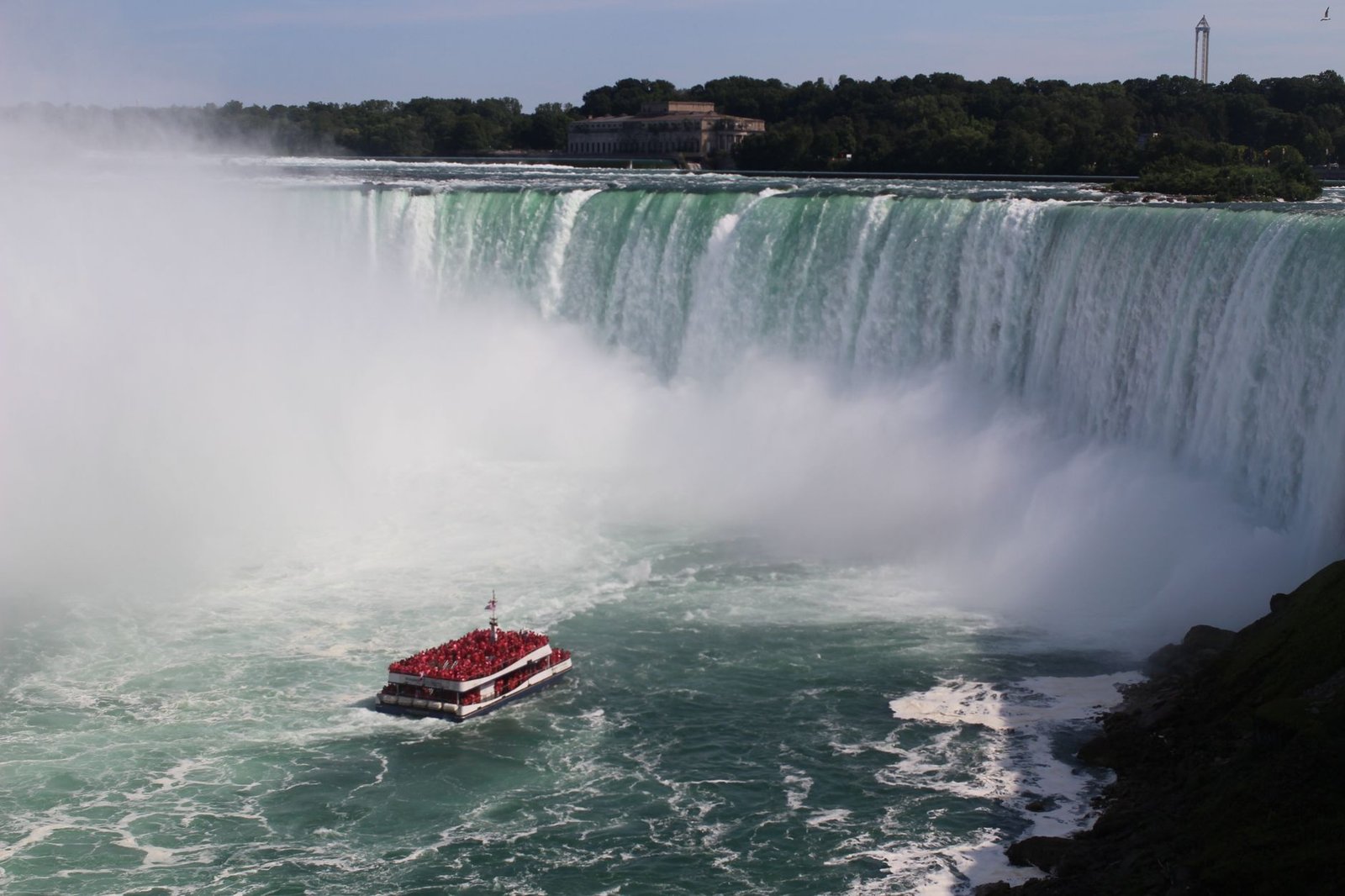
13. Niagara Falls, United States and Canada Height: 51 metres Volume: 7,000 cubic metres per second average flow The world’s most visited waterfall, combining raw power with accessibility. Three separate waterfalls comprise the complex, with Horseshoe Falls being the largest. Iconic status and infrastructure make it ideal for all experience levels.
14. Angel Falls, Venezuela Height: 807 metres (single uninterrupted drop) Total height: 979 metres The world’s highest uninterrupted waterfall, though recent measurements place it lower in overall height rankings when counting cascades. Located in remote Canaima National Park, access requires air travel and expedition-style logistics. Limited tourism due to political conditions.
15. Multnomah Falls, United States Height: 189 metres Location: Columbia River Gorge, Oregon A dramatic single drop with a visible arched stone bridge beneath. Historic lodge and visitor facilities make it accessible despite its remote appearance. Best viewed in spring and early summer when water flow is highest.
16. Plitvice Lakes, Croatia A network of cascading waterfalls connecting 16 lakes UNESCO World Heritage Site with travertine dams creating multiple smaller falls. Wooden boardwalks allow intimate access without damaging the delicate ecosystem. Stunning turquoise water colour.
17. Havasu Falls, United States Height: 37 metres Location: Havpetersupai Indian Reservation, Grand Canyon Requires a 13-kilometre hike to reach. Stunning turquoise pool beneath the falls allows swimming. Permits sell out quickly, requiring advance reservation.
18. Gullfoss, Iceland Height: 32 metres across two stages Location: Golden Circle, southwestern Iceland Two-tiered drop at nearly right angles into a dramatic canyon. Glacial sediment creates distinctive golden colour. Accessible year-round with a visitor centre and paved paths.
19. Yumbilla Falls, Peru Height: 896 metres across multiple cascades Location: Amazonas region One of Peru’s tallest waterfalls, descending through cloud forest. Access involves trekking and remote travel in the northern Andes.
20. Takakkaw Falls, Canada Height: 254 metres Location: Yoho National Park, British Columbia Dramatic waterfall fed by glacial meltwater, creating seasonal variation. Accessible via scenic drive through Canadian Rockies. Best flow from late spring through summer.
21. Seljalandsfloss, Iceland Height: 65 metres Location: Southern Iceland ring road Unique waterfall where visitors can walk behind the curtain of falling water. Located directly on Iceland’s famous ring road route. Accessible year-round.
22. Dettifoss, Iceland Height: 44 metres Width: 100 metres Europe’s most powerful waterfall by flow volume. Raw volcanic landscape surrounds the falls. Accessible from Iceland’s northeastern region via gravel road.
23. Sutherland Falls, New Zealand Height: 580 metres across three drops Location: Fiordland National Park, Milford Track One of the world’s most scenic waterfalls set in UNESCO World Heritage landscape. Accessible via the famous Milford Track, one of the world’s great hiking routes.
24. Kaieteur Falls, Guyana Height: 226 metres single drop Flow: 23,400 cubic feet per second Set atop the ancient Guyana Shield in pristine rainforest. Access requires air travel from Georgetown. Few tourists visit due to remote location, creating an experience of genuine discovery.
25. Jog Falls, India Height: 253 metres across four tiers Location: Western Ghats, Karnataka During monsoon season, India’s second-highest waterfall delivers spectacular flow. Accessible via scenic drive through hill station country. Best viewed June through September.
Planning Your Waterfall Journey
The world’s greatest waterfalls span every continent except Antarctica. Visiting multiple waterfalls requires planning around seasons, visa requirements, and physical demands. Some waterfalls flow year-round. Others are seasonal, appearing powerful only during rainy seasons then diminishing to trickles.
High water flow makes viewing more impressive but sometimes obscures detail through excessive mist. Low water offers clearer views but less dramatic appearance. Mid-season transitions offer compromises.
Transport ranges from simple drives to remote expeditions requiring guides, permits, and weeks of planning. Accessibility differs dramatically. Niagara Falls welcomes millions annually from nearby hotels. Angel Falls requires air travel and expedition logistics that few tourists undertake.
Most serious waterfall enthusiasts visit multiple falls across time, selecting destinations based on seasonal timing, accessibility, and personal interest in height, volume, or visual setting. Few people visit all 25 on this list, but each represents something genuinely worth experiencing.
Disclaimer: This article is intended for general informational purposes only. Waterfall measurements vary by source and may be inaccurate. Always verify current conditions, accessibility, and safety information with local authorities before planning waterfall visits. Physical fitness requirements vary dramatically by location. Always use appropriate safety precautions and follow marked trails.