Oil pastels occupy an unusual position in the art world. They’re accessible enough for complete beginners to achieve impressive results within hours, yet sophisticated enough to sustain serious artists throughout lifelong practice. This combination of accessibility and depth makes oil pastels an ideal medium for contemporary artists seeking immediate gratification alongside genuine artistic challenge. Whether you’re discovering pastels for the first time or expanding an existing art practice, understanding oil pastel fundamentals opens possibilities for creative expression across multiple styles and subjects.
- What Makes Oil Pastels Different
- Color Saturation and Expressive Potential
- The Advantages That Draw Artists
- Disadvantages and Limitations
- Fundamental Techniques Every Artist Should Master
- Choosing Your Surface and Supports
- Building Your Essential Supply Kit
- The Learning Progression: From Novice to Accomplished Artist
- Common Mistakes and How to Avoid Them
- The Contemporary Moment for Oil Pastels
- Where to Go From Here
What Makes Oil Pastels Different
Oil pastels distinguish themselves through their material composition. A blend of oil-based pigments mixed with mineral oil and wax binders, typically stearic acid or stearic derivatives. This formulation creates a smooth, creamy consistency that makes oil pastels uniquely responsive and expressive. Unlike traditional dry pastels that dust and require fixative spray, oil pastels produce minimal mess and require no solvents for basic application.
The non-toxic formulations now standard in quality oil pastels make them safer than earlier generations and appropriate for children and sensitive individuals. This accessibility has contributed significantly to oil pastels’ contemporary popularity. Artists need not work with chemical solvents to achieve professional results, only with the pastels themselves and basic blending tools.
Color Saturation and Expressive Potential
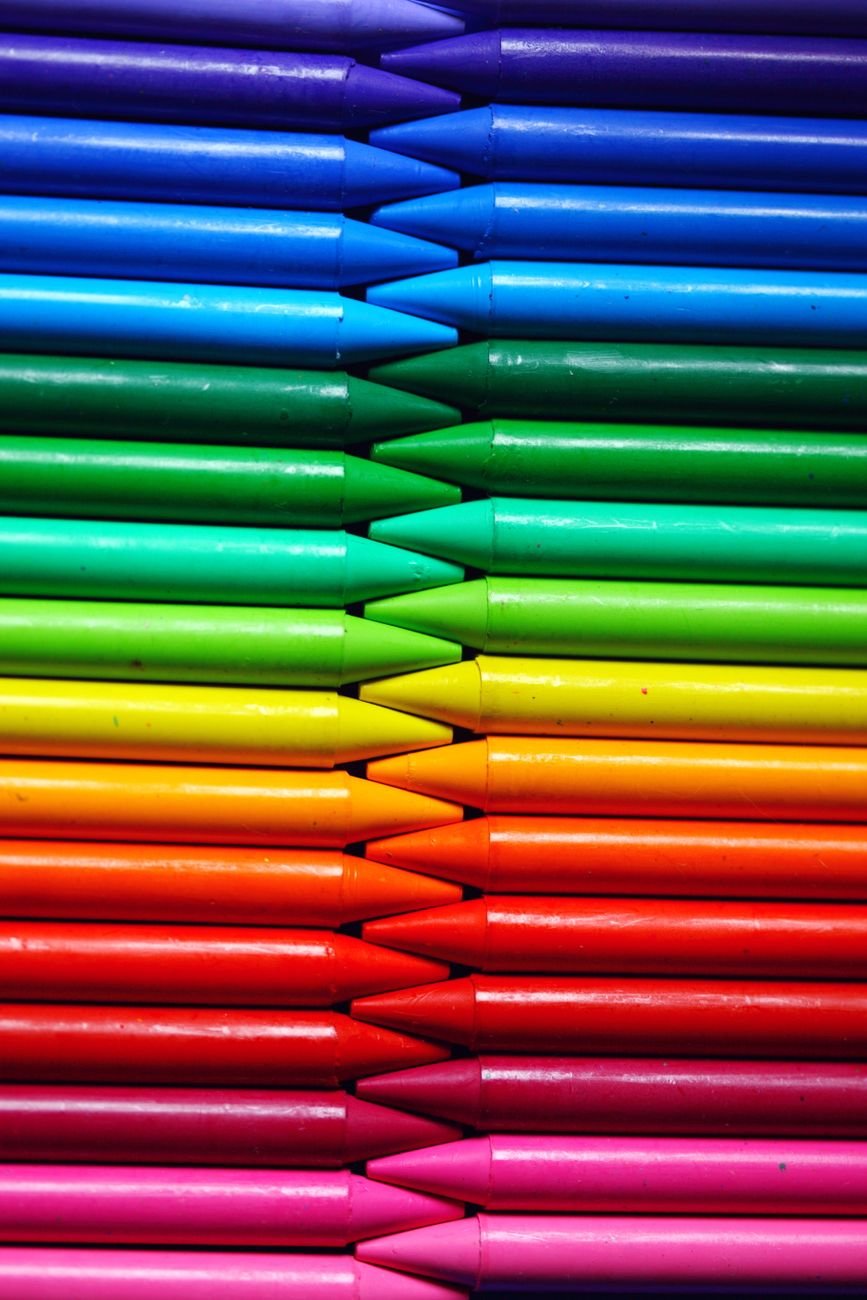
Oil pastels deliver rich, vibrant color saturation that rivals or exceeds many other media. The oil content allows pigments to display their full vibrancy while remaining smooth and blendable on the surface. This combination of saturation and blendability makes oil pastels particularly suited to work emphasizing color theory and emotional expression through chromatic intensity.
The medium’s opacity means colors can be layered effectively, allowing artists to work from light to dark or dark to light as their composition demands. This flexibility distinguishes oil pastels from transparent media where layering order becomes critical.
The Advantages That Draw Artists
Oil pastels’ appeal lies partly in their remarkable immediacy. Unlike oils requiring extended drying time or acrylics requiring water cleanup, oil pastels are simply pigment and oil. Apply them directly, and your colors appear exactly as intended. This directness means no waiting for drying time before assessing how colors interact.
The smooth blending properties allow artists to achieve subtle color transitions, creating atmospheric perspective and modeling form through color rather than value alone. Many artists appreciate the medium’s gesture and mark-making quality. It responds to pressure variation, allowing expressive, energetic application alongside careful, controlled layering.
Multiple layering capability encourages experimentation. Corrections are possible throughout the process; pigments can be lifted with solvents or scraped with specialized tools, or simply painted over. This forgiving nature makes oil pastels particularly suitable for learning artists who benefit from the ability to experiment without permanent consequences.
The finished surface typically features matte appearance that photographs well and displays effectively without glass, making framing and presentation straightforward. Professional-grade oil pastels offer archival quality, ensuring works created with quality materials remain vibrant for centuries.
Disadvantages and Limitations
Slow drying time represents oil pastels’ primary drawback. Initial surface drying occurs within 48 hours, but complete curing requires weeks or months depending on application thickness. This extended drying period precludes stacking finished pieces and complicates the process of creating multiple works simultaneously.
Protective measures become necessary for finished pieces. Oil-based pigments can oxidize or attract dust, requiring varnish or fixative applications. Quality fixative spray, applied in light layers, provides UV protection and surface stability without creating gloss or glossiness.
Oil pastels can be messy, leaving residue on hands and clothing. The oily nature means that finished pieces stored improperly can develop staining or off-gassing issues. Storage requires careful planning, with pieces stored flat or in archival portfolio containers, separated by acid-free materials.
Substrate options are more limited than with acrylics or watercolor. Oil pastels require surfaces with adequate tooth, i.e. textured surfaces that grip pigment. Not all papers accept oil pastels effectively; experimentation becomes necessary.
The medium’s cost exceeds that of dry pastels or pencils, though starter sets remain affordable. Professional-grade oil pastels represent significant investment, though many artists find the results justify the expense.
Fundamental Techniques Every Artist Should Master
Layering represents perhaps the most essential skill. Building colors from initial transparent or light layers toward increasingly opaque and saturated layers. This approach creates depth and atmospheric quality, allowing artists to suggest spatial recession through color interaction rather than relying solely on value contrast.
Blending creates smooth transitions between colors. Artists employ various tools such as fingers, cotton swabs, tissue, specialized blending stumps, or brushes, to merge adjacent colors into gradients. Blending skill separates amateur results from more sophisticated work; precise blending creates form-modeling and atmospheric effects.
Burnishing involves pressing hard with pastels to compress pigment into dense, glossy surfaces. This technique creates highlights and areas of intense color saturation while simultaneously sealing underlying layers, preventing unwanted color mixing in subsequent applications.
Scumbling applies light, dry color over existing layers, creating texture and visual complexity. The scumble preserves underlying colors while adding surface interest, useful for suggesting texture or atmospheric effects.
Impasto i.e. thick application creating dimensional texture, proves effective with oil pastels, particularly using chunky sticks. This approach emphasizes the medium’s material quality and creates surfaces with visual and tactile interest.
Glazing involves applying transparent or semi-transparent layers over existing work, creating luminosity and color complexity. This technique, borrowed from oil painting, works effectively with oil pastels when using appropriate techniques.
Sgrafitto scratches through surface layers using sharp tools, revealing underlying colors and creating linear marks. This technique introduces gestural energy and draws attention to the artist’s hand.
Underpainting establishes initial value structure through monochromatic or limited-color foundation layers, over which subsequent chromatic layers build. This approach creates cohesive color relationships and ensures value structure supports compositional intent.
Choosing Your Surface and Supports
Paper selection critically impacts results. Heavy-weight, textured papers specifically designed for pastels provide appropriate tooth. Standard drawing paper lacks sufficient texture and can become overworked quickly. Pastel papers from quality manufacturers offer reliable surfaces with appropriate texture and sizing.
Canvas boards and prepared surfaces marketed for pastels provide pre-primed, textured surfaces ready for immediate work. These supports offer stability and durability appropriate for works intended for long-term display.
Sanding sealer can be applied to papers or other surfaces, creating additional texture and tooth. This preparation technique allows artists to use surfaces not traditionally associated with pastels.
Linen and other fabrics can be gessoed and sanded, creating textured surfaces suitable for oil pastel work. This approach offers considerable control over surface preparation.
Surface color selection influences the entire composition. White surfaces create a different visual experience than toned surfaces; artists might choose their surface color as an active compositional element rather than neutral ground.
Building Your Essential Supply Kit
Beginning artists should start with basic supplies: quality starter set of 24-60 colors, heavy-weight textured paper or pastel board, blending tools (cotton swabs, stumps, tissue), fixative spray for preservation, turpentine or odorless mineral spirits for thinning (optional), precision scissors for trimming, and hand cream or gloves for skin protection.
Professional artists typically expand considerably, but basics remain consistent. Specialty materials like texture tools, scrapers, and spray bottles for water-based effects enhance possibilities once basic skills develop.
The Learning Progression: From Novice to Accomplished Artist
Beginning instruction focuses on color identification and basic blending, establishing comfort with material and fundamental understanding of how colors interact. New artists learn to press appropriate levels of pressure and make basic marks.
Intermediate work explores layering techniques and color mixing, developing the ability to create harmonious color relationships and model form convincingly. Artists at this level begin recognizing how technique choices impact final results.
Advanced practice involves complex compositions with sophisticated light effects, experimenting with mixed media, and developing personal style. Mastery allows artists to execute subtle effects and create work expressing sophisticated artistic vision.
Common Mistakes and How to Avoid Them
Overworking and creating mud results from applying too much pigment without adequate planning. Drawing carefully, building gradually, and knowing when to stop prevents this common problem.
Excessive early pressure flattens the surface quickly, limiting possibilities for later layering. Beginners should resist pressing hard initially; build gradually instead.
Poor surface preparation, for example, choosing inappropriate paper or failing to prepare surfaces adequately, frustrates even experienced artists. Time invested in proper preparation yields superior results.
Ignoring color theory principles leads to muddy, discordant results. Understanding complementary relationships and color harmony proves essential.
Using low-quality paper that resists blending frustrates practice; quality surfaces perform dramatically better. Beginners benefit from investing in proper papers.
Applying fixative too heavily compromises color vibrancy. Light, multiple applications work better than heavy single applications.
The Contemporary Moment for Oil Pastels
Oil pastels have experienced renewed interest as artists seek alternatives to oil painting’s extended drying time and toxic solvent requirements. The medium offers oil painting’s aesthetic potential with significantly reduced environmental and health concerns. Contemporary professional artists increasingly employ oil pastels for finished works exhibited in prestigious galleries.
Educational adoption has expanded significantly, with oil pastels becoming standard materials in school art programs. The medium’s safety profile and rapid results make it ideal for teaching fundamental art concepts.
Where to Go From Here
Mastery develops through sustained practice and exploration. Begin with small studies establishing comfort with basic techniques. Progress to larger works attempting more ambitious compositions. Experiment with different surfaces, color palettes, and subject matter. Connect with communities of oil pastel artists who share work, exchange techniques, and provide encouragement.
Oil pastels prove remarkably forgiving for learning artists while providing sufficient sophistication for lifetime artistic engagement. This combination, accessibility meeting depth, explains their growing popularity among contemporary artists seeking creative expression through color and form.